
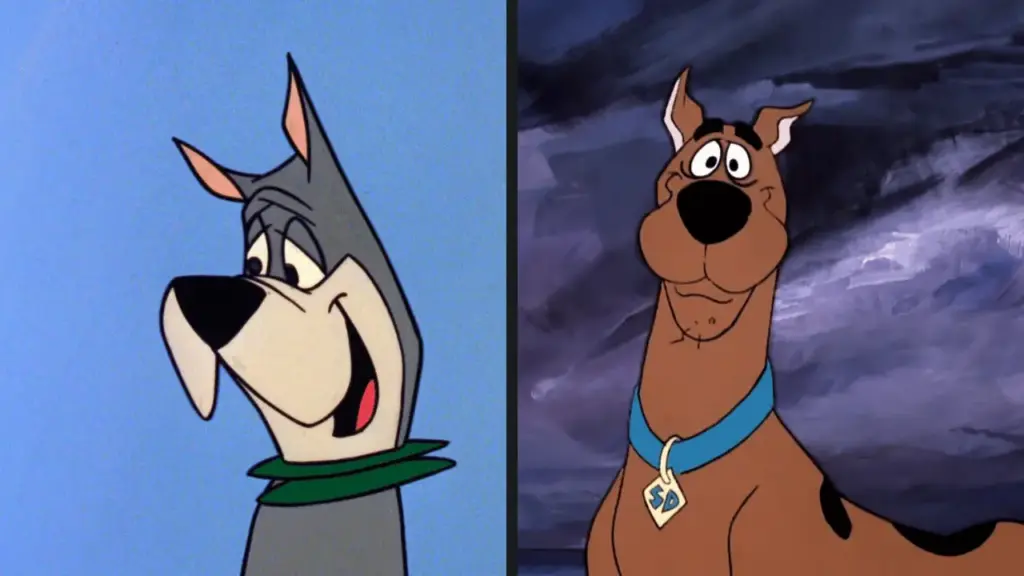
The resemblance is real.
Astro and Scooby-Doo sound alike because Don Messick voiced both dogs and used the same basic speech technique for each character.
Messick called it “growl talk.” Words were reshaped with extra R sounds, turning “Hello, George” into “Rello, Rorge.”
Astro used the voice first in The Jetsons in 1962. When Scooby-Doo, Where Are You! arrived seven years later, Messick reused the idea but gave Scooby a deeper, heavier delivery.
The connection goes beyond the recording booth.
Iwao Takamoto designed both dogs for Hanna-Barbera, although Scooby was created as a separate character with his own body shape, personality, and comic role.
The short answer
Why Astro and Scooby sound alike
- Don Messick created Astro’s R-heavy “growl talk” in 1962
- He reused the same speech idea for Scooby-Doo in 1969
- Scooby’s version was deeper and more barrel-chested
- Iwao Takamoto designed both dogs for Hanna-Barbera
- Messick later raised Astro’s pitch to keep the voices easier to tell apart
Astro Used the Voice First
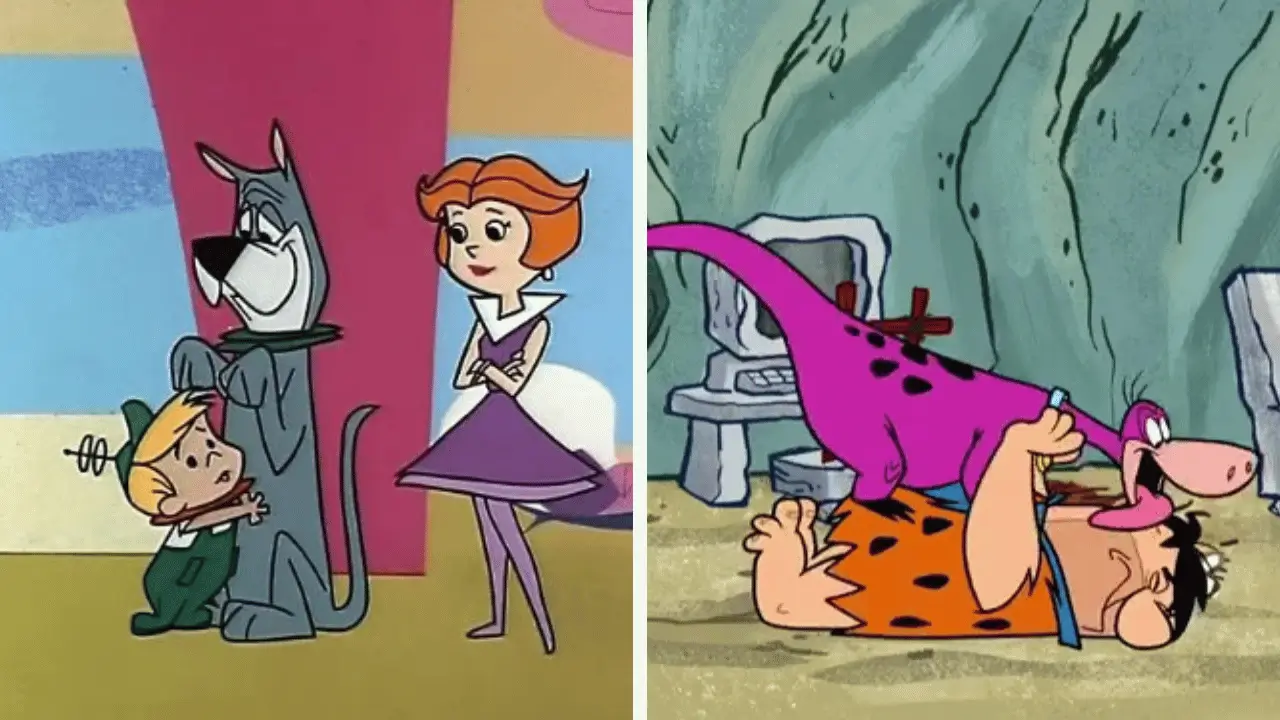
Astro joined the Jetson family in “The Coming of Astro,” an episode first broadcast in 1962.
He was more intelligent than an ordinary dog, but he did not speak clean English.
Astro replaced consonants with R sounds and added growls to his words:
- George became “Rorge”
- Hello became “Rello”
- I love you became “I ruv roo”
The voice immediately gave Astro two qualities at once.
He could communicate with the family, but he still sounded recognizably doglike.
For more about the character, see my guide to Astro from The Jetsons.
Don Messick Called It “Growl Talk”
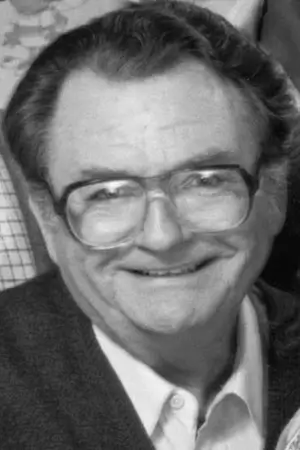
Messick explained the connection himself in a 1994 interview with the Asbury Park Press.
He said Astro came first and that he had to develop what he called “growl talk.” Joseph Barbera liked canine words beginning with R sounds, partly because of a dog character on Soupy Sales’ television show.
The full interview preserved by animation historian Yowp includes Messick demonstrating Astro’s voice:
“Rello, Rorge! I ruv roo, Rorge!”
The Soupy Sales character was an offscreen dog represented by a large paw. Barbera liked the R-heavy way it spoke and wanted a related idea for Astro.
Messick supplied the performance that made it work.
Scooby Borrowed the Technique, Not the Entire Character
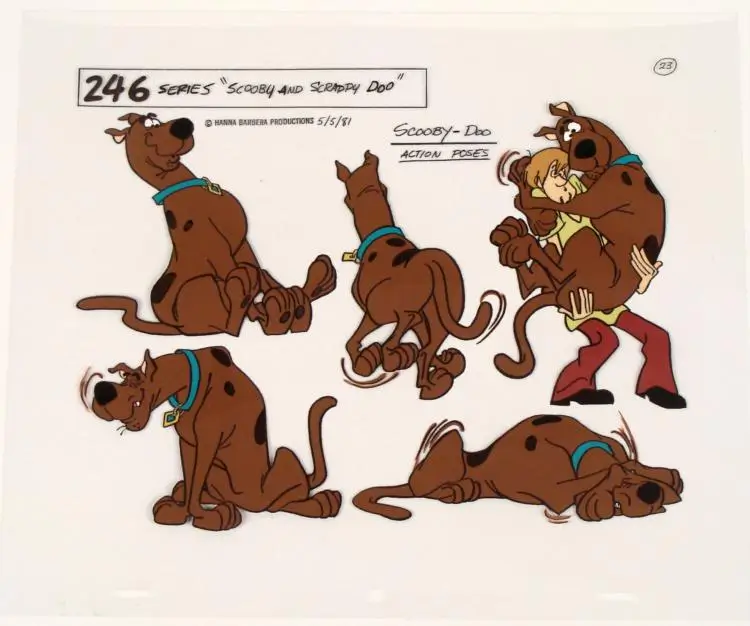
Scooby-Doo, Where Are You! premiered on September 13, 1969.
When Messick created Scooby’s voice, he returned to Astro’s growl-talk technique.
He did not perform the two dogs identically.
In the same 1994 interview, Messick described Scooby’s voice as more “barrel-chested.” Scooby’s delivery sits lower in the throat, with a rougher and heavier sound.
Astro speaks more clearly and often forms complete sentences.
Scooby usually speaks in shorter phrases, mixes words with barks and laughs, and sounds less fluent.
| Trait | Astro | Scooby-Doo |
|---|---|---|
| Debut | 1962 | 1969 |
| Voice | Higher and clearer | Deeper and throatier |
| Speech | Longer sentences | Shorter phrases mixed with dog sounds |
| Comic role | Loyal futuristic family pet | Cowardly mystery-solving partner |
Scooby was therefore not merely Astro renamed.
The voice technique came from Astro, but Messick adjusted it for a larger dog with a different personality.
Messick Later Changed Astro’s Pitch
Hanna-Barbera revived The Jetsons with new episodes in the 1980s.
By then, Scooby-Doo had become one of the studio’s most recognizable characters.
Messick was once again recording both dogs.
He told the Asbury Park Press that he deliberately pitched Astro higher in the later episodes because Scooby now occupied the deeper end of the growl-talk voice.
That detail explains why modern comparisons do not always sound exact.
The voices began close together, but Messick actively separated them when both characters were in production again.
Messick Became Hanna-Barbera’s Dog Specialist
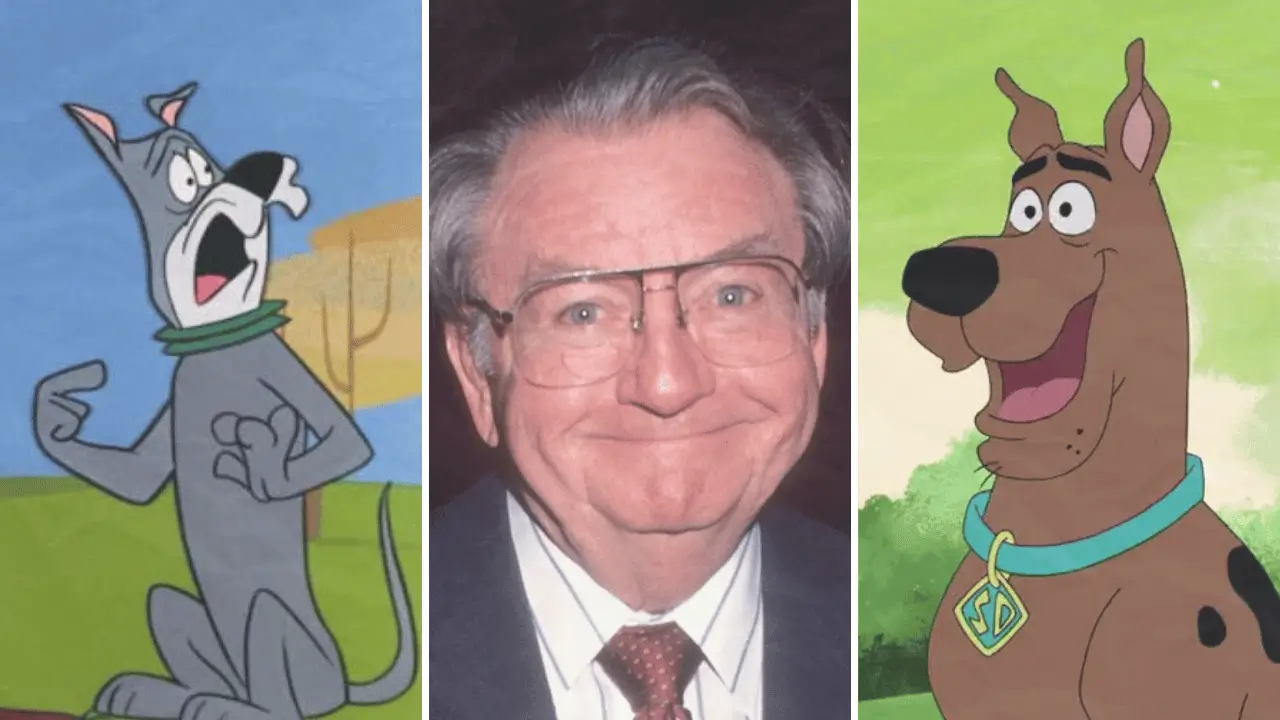
Astro and Scooby were only two of the many cartoon animals Messick performed.
He also gave Hanna-Barbera:
- Bandit’s barks and whimpers in Jonny Quest
- Muttley’s wheezing laugh in Wacky Races
- Boo-Boo Bear’s gentle voice
- Scrappy-Doo in later Scooby productions
- Dozens of animal sounds, monsters, robots, and supporting characters
Bandit did not speak, but Messick could still communicate fear, excitement, confusion, and loyalty through barks alone.
Muttley needed even less. His entire personality could emerge from one muttered complaint or snickering laugh.
By the time Scooby arrived, Messick had years of experience finding the line between an animal sound and a human performance.
Iwao Takamoto Designed Both Dogs
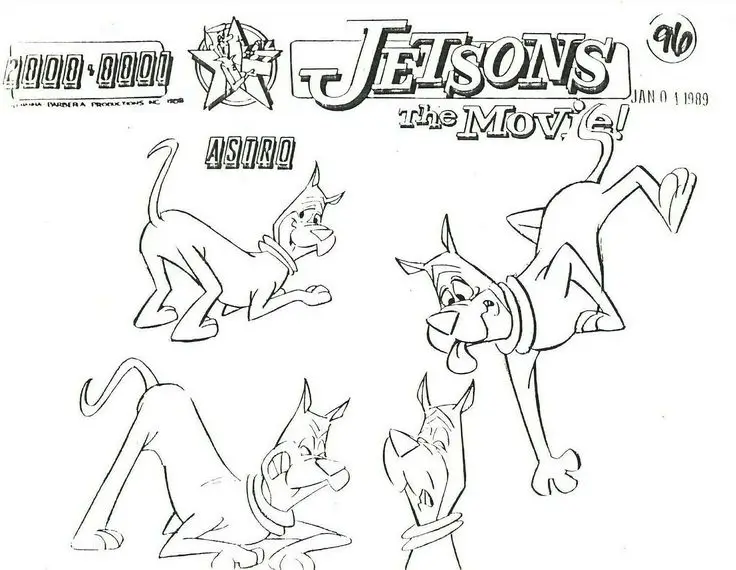
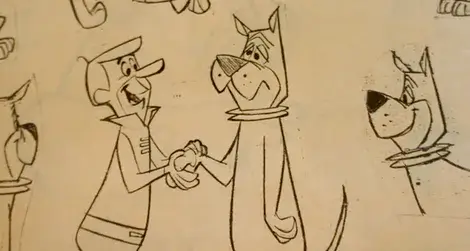
The dogs also share a visual connection.
Iwao Takamoto designed Astro and later created Scooby-Doo’s final look.
Takamoto had joined Hanna-Barbera after working for Disney on films including Cinderella, Lady and the Tramp, and One Hundred and One Dalmatians.
His Guardian obituary credits him with designing Astro, Muttley, Scooby-Doo, Penelope Pitstop, and many other Hanna-Barbera characters.
That does not mean Astro was a direct model sheet for Scooby.
It means the same designer spent years solving the problem of how to make large cartoon dogs readable, expressive, and funny.
How Scooby’s Design Was Created
Scooby was originally imagined differently.
Early concepts considered a smaller, more capable dog. Takamoto preferred a large Great Dane because the size created a better contrast with the character’s cowardice.
He consulted a Hanna-Barbera employee who bred prize-winning Great Danes and asked what made an ideal example of the breed.
She described traits such as a straight back, straight legs, and a refined chin.
Takamoto deliberately reversed them.
He gave Scooby bowed legs, a sloping back, an oversized chin, and incorrect coloring.
In an Animation World Network history, Takamoto explained that Scooby was designed by going against the breeder’s championship standards.
The imperfections made him less imposing and more vulnerable.
A perfect Great Dane might look brave.
Scooby needed to look as though the next creaking door could send him into Shaggy’s arms.
Are Astro and Scooby Both Great Danes?
Scooby-Doo is explicitly designed as a deliberately inaccurate Great Dane.
Astro is also commonly identified as a Great Dane, including by the American Kennel Club.
That does not mean they share the same design.
Astro has a slimmer futuristic silhouette, a long muzzle, and a lighter build. Scooby is heavier, spotted, hunched, and intentionally awkward.
The breed connection helps explain the broad resemblance, but the voice is what makes most viewers immediately connect them.
Did Astro Say “Ruh-Roh” Before Scooby?
Yes.
Astro used the R-heavy version of “uh-oh” years before Scooby-Doo premiered.
However, it is misleading to say the phrase does not belong to Scooby at all.
Scooby also used forms of “ruh-oh” and “ruh-roh” in later cartoons, and subsequent voice actors made it one of his most familiar expressions.
The more accurate history is:
- Astro used the phrase first
- Scooby later used it too
- Scooby’s greater popularity made the phrase more strongly associated with him
That is a normal piece of cartoon memory rather than a false attribution.
What Happened to Don Messick?
Messick continued voicing Scooby and Astro into the 1990s.
Later accounts say he stopped performing Scooby after giving up smoking because he could no longer produce the rasp comfortably.
He then suffered a career-ending stroke in 1996 and died the following year.
The 1998 movie Scooby-Doo on Zombie Island was dedicated to his memory.
Frank Welker, who had voiced Fred Jones since the original series, eventually became Scooby’s regular voice. Other performers took over Astro in later appearances.
Messick’s versions remain the foundation for both characters.
Quick Answers About Astro and Scooby
Why do Astro and Scooby sound the same? Don Messick voiced both dogs and used the R-heavy “growl talk” he developed for Astro as the basis of Scooby’s voice.
Which character came first? Astro debuted in 1962. Scooby-Doo followed in 1969.
Did the same person design Astro and Scooby? Yes. Iwao Takamoto designed Astro and later created Scooby-Doo’s final character design.
Are the voices exactly the same? No. Messick described Scooby as deeper and more barrel-chested. He later raised Astro’s pitch to separate them further.
Where did the unusual speech pattern come from? Messick said Joseph Barbera liked the R-heavy speech of an offscreen dog on Soupy Sales’ television show and wanted a related sound for Astro.
Who said “Ruh-roh” first? Astro used it first, but Scooby later used the phrase as well.
Are Astro and Scooby Great Danes? Both are generally identified as Great Danes, although Scooby was deliberately designed with incorrect breed features.
One Voice Technique, Two Different Dogs
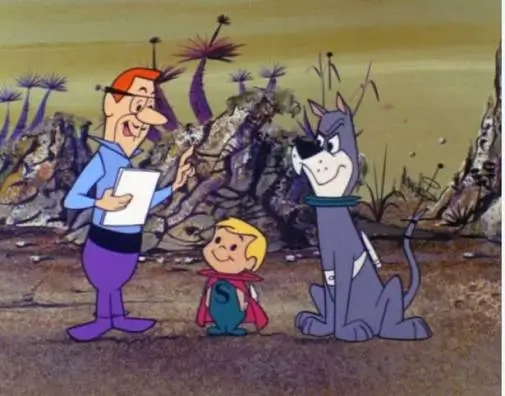
Astro and Scooby sound alike because one actor found a voice technique that worked for two talking dogs.
Astro came first.
Scooby borrowed the growl talk, but Messick made the voice deeper and built a different personality around it.
Takamoto’s designs created another family resemblance without making the dogs copies of each other.
One is a loyal space-age pet who speaks in sentences.
The other is a frightened mystery solver who would rather hide behind Shaggy.
They share a voice lineage, not an identity.
For more Hanna-Barbera history, see my guide to Hanna-Barbera cartoons and my look at the shows inspired by Scooby-Doo.
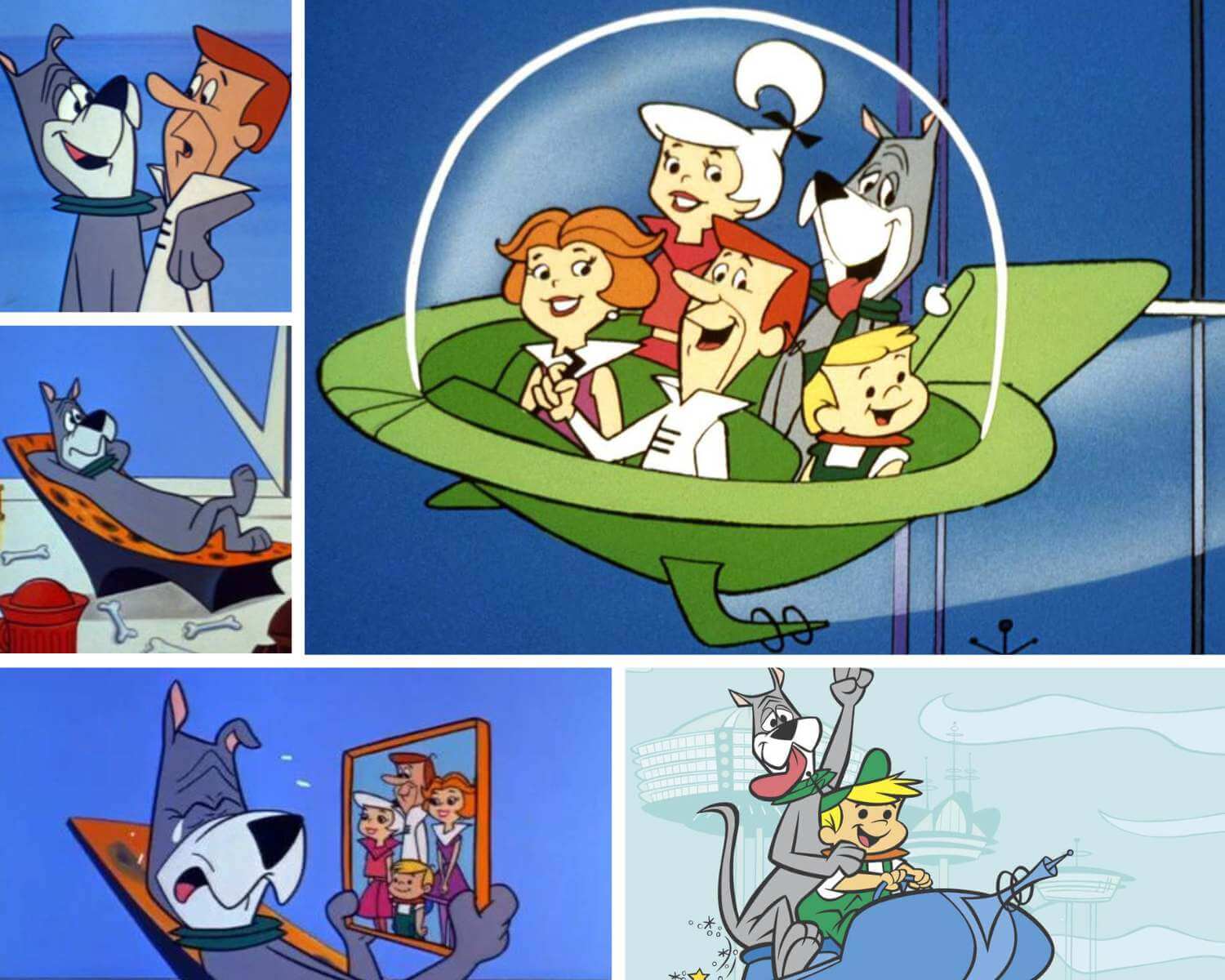

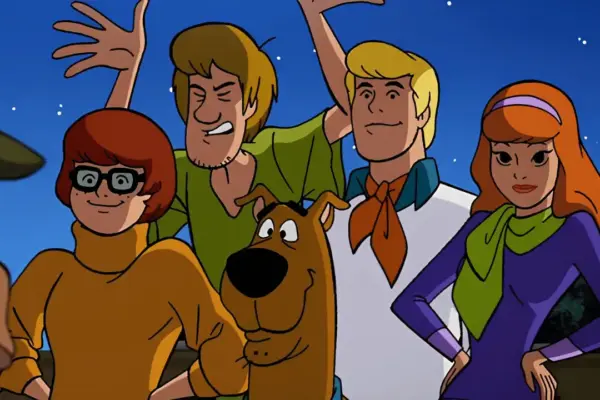
Both characters are portrayed as Great Danes. However, legendary character animator Iwao Takamoto intentionally drew Scooby with the opposite traits of a show-dog Great Dane, giving him a sloped back, bowed legs, and a double chin, to make him look clumsier and more endearing compared to Astro’s sleeker design.