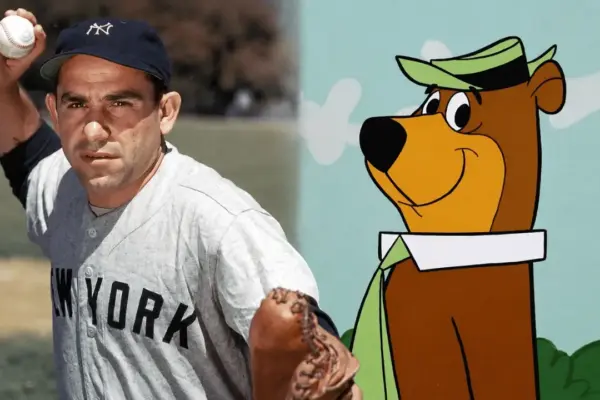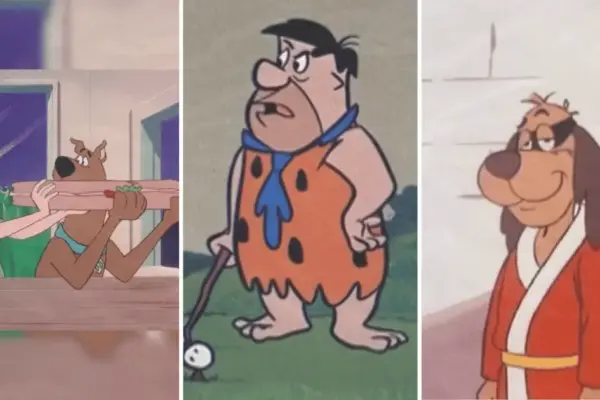
After Scooby-Doo, Where Are You! became a hit in 1969, Hanna-Barbera returned to the same basic idea again and again.
The teenagers changed. The vehicle changed. The comic sidekick might be a ghost, a talking dune buggy, a shark, or a caveman.
The resemblance was rarely subtle.
Fans usually call these shows Scooby-Doo clones, although not every series copied the formula to the same degree. Some reproduced almost the entire setup. Others borrowed only the mystery-solving group, the mascot, or the travelling-band structure.
What makes the period interesting is not simply that Hanna-Barbera repeated itself. Television animation has always reused successful ideas. The unusual part is how many variations one studio produced within a single decade.
This is how the Scooby formula developed, how it spread through 1970s Saturday morning cartoons, and why the original survived when most of its relatives lasted only a season or two.
A useful distinction
Not every Scooby clone is equally Scooby-like
- Direct clones closely copy the teen team, mascot, vehicle, mystery, chase, and villain reveal
- Close relatives use several major ingredients but change the story structure
- Scooby-adjacent shows borrow the tone, character types, or crime-solving setup without recreating the full formula
What Is the Scooby-Doo Formula?
There was no official studio checklist pinned to a wall, and several shows break one or more of the supposed rules.
Still, the same ingredients appear often enough to form a recognizable Hanna-Barbera mystery-cartoon formula:
- A young ensemble: Usually teenagers with easily understood personality roles
- A comic mascot: An animal, ghost, vehicle, or unusual character who creates most of the physical comedy
- A travelling setup: A van, dune buggy, boat, tour bus, or other reason to encounter a new mystery each week
- A threat to investigate: Often a monster, ghost, criminal, or disguised villain
- A chase or action sequence: Frequently supported by recycled music and sound effects
- A final explanation: The apparent supernatural threat is often exposed as a person with a plan
- Sometimes a band: The musical element from Scooby’s earliest development survived in several related shows
The formula was not only a writing shortcut. It fit the practical needs of weekly television animation.
A small cast could be reused in every episode. A travelling group could enter a completely new setting without much explanation. A mystery provided an automatic beginning, middle, chase, and resolution.
Once the structure worked, changing the mascot created the appearance of a new show without forcing the studio to reinvent the storytelling machinery.
Where the Scooby-Doo Formula Came From
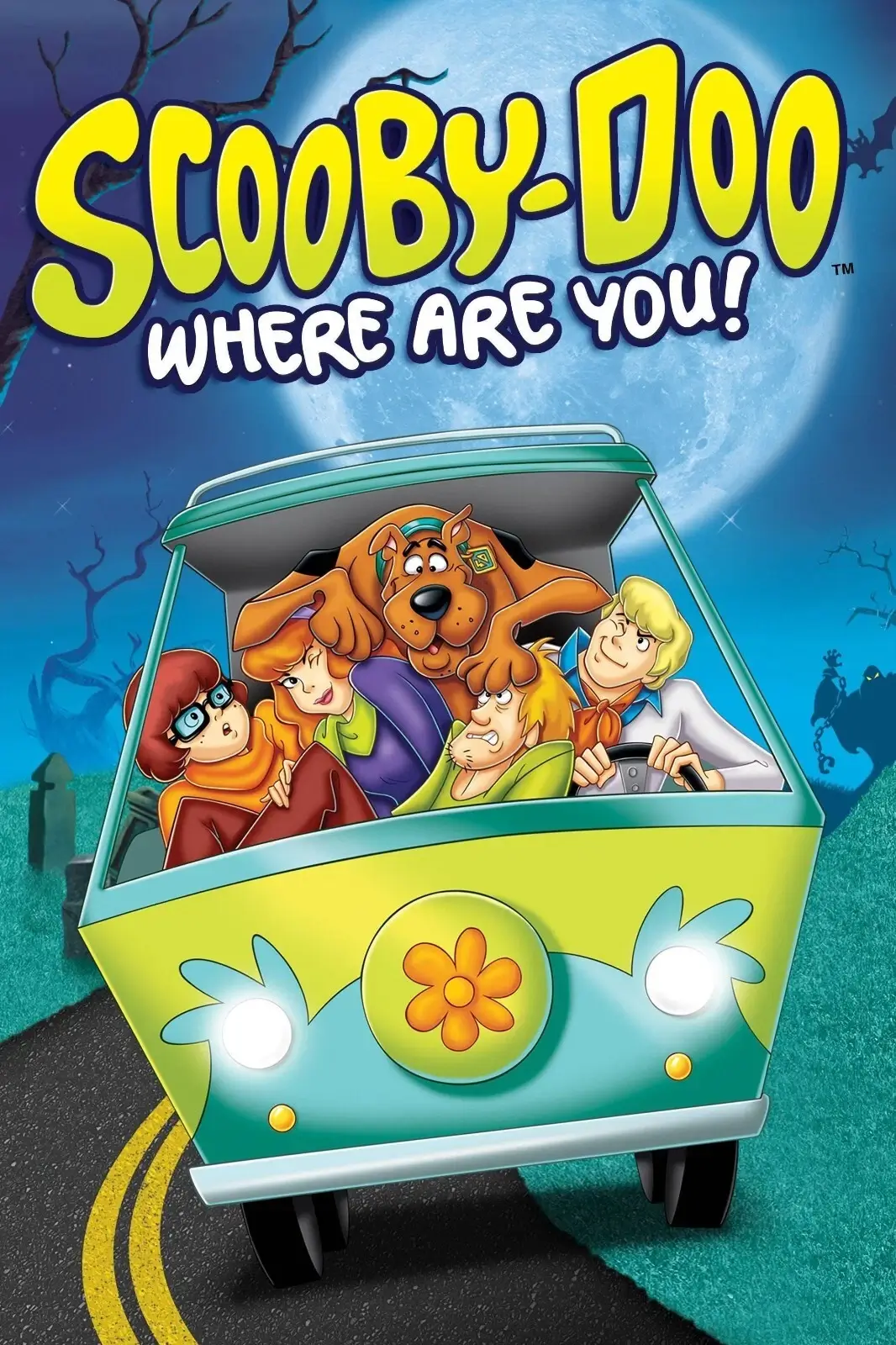
The story begins with a different hit show.
The Archie Show premiered on CBS in 1968 and turned its fictional band into a commercial success. Fred Silverman, who oversaw children’s programming at CBS, wanted another series about teenagers, music, and mystery.
Hanna-Barbera assigned writers Joe Ruby and Ken Spears to develop the idea with character designer Iwao Takamoto.
The first concept was called Mysteries Five. It followed five teenage musicians and a dog named Too Much, who even played bongos with the group. When the band was not performing, its members investigated supernatural mysteries.
Cartoon Research’s history of Scooby-Doo documents how that pitch changed during development.
CBS considered an early version, titled Who’s S-S-Scared?, too frightening. Ruby and Spears reduced the horror, dropped the band, and moved the comedy toward the cowardly dog and his equally frightened friend.
The familiar gang emerged from that rewrite.
What changed during development
- The original five teenagers became Fred, Daphne, Velma, and Shaggy
- The rock-band premise was removed
- Too Much became a Great Dane and then Scooby-Doo
- The monsters became less frightening
- Comedy replaced horror as the dominant tone
Where Did the Name Scooby-Doo Come From?
Fred Silverman said he heard Frank Sinatra’s “doo-be-doo-be-doo” at the end of “Strangers in the Night” and realized the dog should be named Scooby-Doo.
Silverman repeated that account in his Television Academy interview.
Writer and animation historian Mark Evanier has offered another possibility. He argues that the clearer source may have been “Denise” by Randy and the Rainbows, which repeats a sound much closer to “Scooby-Doo.”
The Sinatra explanation comes directly from the executive who named the show, so it remains the standard account. The competing theory is worth noting because cartoon history often becomes cleaner in memory than it was in the studio.
Scooby-Doo, Where Are You! premiered on September 13, 1969. Don Messick voiced Scooby using a deeper variation of the growling dog speech he had developed for Astro on The Jetsons.
The series became a hit, and the variations began almost immediately.
Hanna-Barbera’s Scooby-Doo Clones and Relatives
The timeline is easier to understand when the shows are treated as a spectrum rather than a row of identical copies.
1970
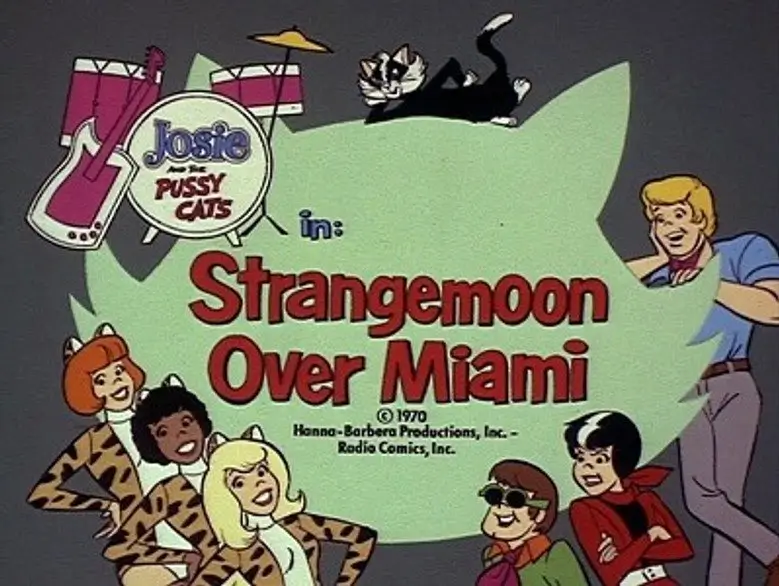
Josie and the Pussycats
Close relative: The characters came from Archie Comics, but the television version combined a touring band with weekly mysteries and villains. That made it unusually close to the abandoned Mysteries Five pitch.
1971
The Funky Phantom
Direct clone: Three teenagers and their dog travelled in the Looney Duney with Mudsy, a Revolutionary War ghost, and his cat Boo. The gang solved mysteries in a structure very close to Scooby-Doo.
1972-1973
The Formula Spreads
- The Amazing Chan and the Chan Clan: Charlie Chan’s children formed a band and helped solve mysteries with their dog, Chu Chu.
- Speed Buggy: The mascot and vehicle became the same character, a talking dune buggy voiced by Mel Blanc.
- Goober and the Ghost Chasers: A frightened dog became partly invisible when scared, usually leaving his beanie visible.
- Butch Cassidy and the Sundance Kids: A teenage band travelled the world on secret missions with a dog named Elvis.
- Inch High, Private Eye: A tiny detective solved crimes with a small team. It borrowed the ensemble mystery tone more than the complete Scooby structure.
1976
Jabberjaw and Clue Club
Two different variations: Jabberjaw moved the band-and-mascot format underwater in the year 2076, with a talking shark voiced by Frank Welker. Clue Club returned to straightforward teenage detectives and added two talking bloodhounds, Woofer and Wimper.
1977
Captain Caveman and the Teen Angels
The superhero mascot: Three young women solved mysteries with a frozen caveman whose club contained an impossible supply of tools and gave him the ability to fly. Mel Blanc supplied the voice.
1978-1980
The Long Tail
Later variations: The Buford Files paired teenage detectives with a slow-moving bloodhound. The New Shmoo placed an older comic-strip character beside mystery-solving teenagers. The 1980 Flintstones package even used Pebbles, Bamm-Bamm, and Dino in similar crime-solving stories.
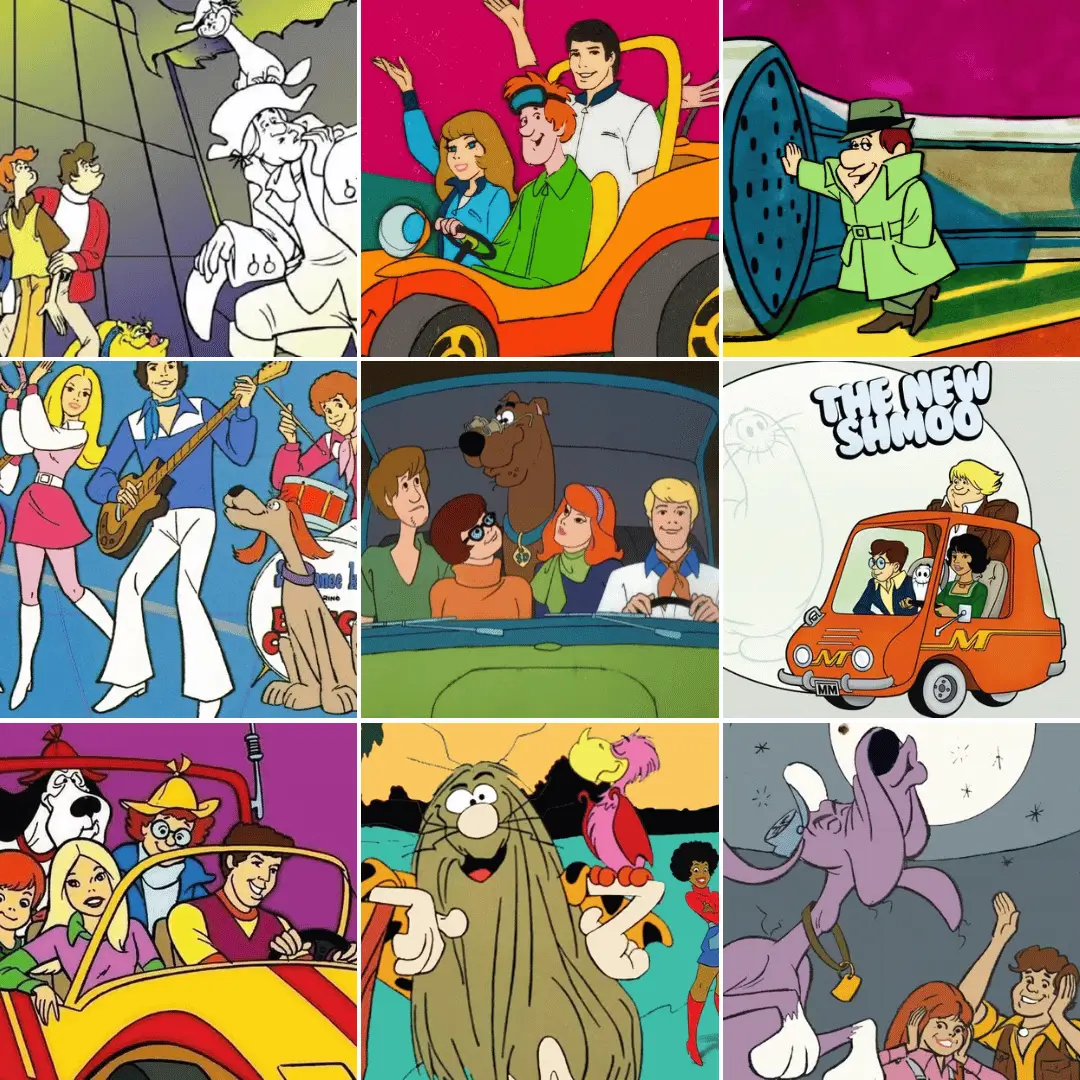
Scooby-Doo Clone Comparison
The table shows why some series feel like direct copies while others are better described as relatives.
| Series | Year | Mascot or gimmick | Vehicle | Band? | Similarity |
|---|---|---|---|---|---|
| Scooby-Doo | 1969 | Cowardly talking Great Dane | Mystery Machine | Removed during development | Original |
| Josie and the Pussycats | 1970 | Teen musicians and mascot cat | Touring vehicles vary | Yes | Close relative |
| The Funky Phantom | 1971 | Mudsy the ghost and Boo the cat | Looney Duney | No | Direct clone |
| Speed Buggy | 1973 | Talking dune buggy | Speed Buggy himself | No | Direct clone |
| Jabberjaw | 1976 | Talking great white shark | Aqua-Runner | Yes | Close relative |
| Captain Caveman | 1977 | Super-powered caveman | Cavecarrier | No | Direct clone |
Did Hanna-Barbera Reuse Animation?
Yes, although that practice was much larger than the Scooby clone cycle.
Hanna-Barbera produced television animation under tight schedules and budgets. Its series regularly shared sound effects, musical cues, voice actors, background techniques, and design conventions.
Researchers have also identified individual character designs that moved between Scooby and related shows. One frequently cited example is a villain model from “That’s Snow Ghost” later appearing in modified form as Doctor Greenthumb on Josie and the Pussycats.
That does not mean entire episodes were copied frame for frame. It means the studio treated its production library as reusable material.
The familiar Hanna-Barbera house style made the shows economical to produce and instantly recognizable, but it also made their similarities impossible to hide.
Fred Silverman and the Network Connection
The Scooby formula was not created by Hanna-Barbera alone.
Fred Silverman requested the original teen mystery concept at CBS and remained one of the show’s strongest champions. He left CBS for ABC in 1975.
Several later Scooby-like shows, including Jabberjaw, Clue Club, and Captain Caveman and the Teen Angels, then appeared on ABC.
The network pattern
- CBS: Scooby-Doo, Josie and the Pussycats, and other early variations
- ABC after Silverman’s move: Jabberjaw, Clue Club, and Captain Caveman
The timing does not prove that Silverman personally ordered every clone. It does show that successful programming ideas travelled with powerful network executives as well as with studios.
Scooby-Doo’s Creators Made Fangface
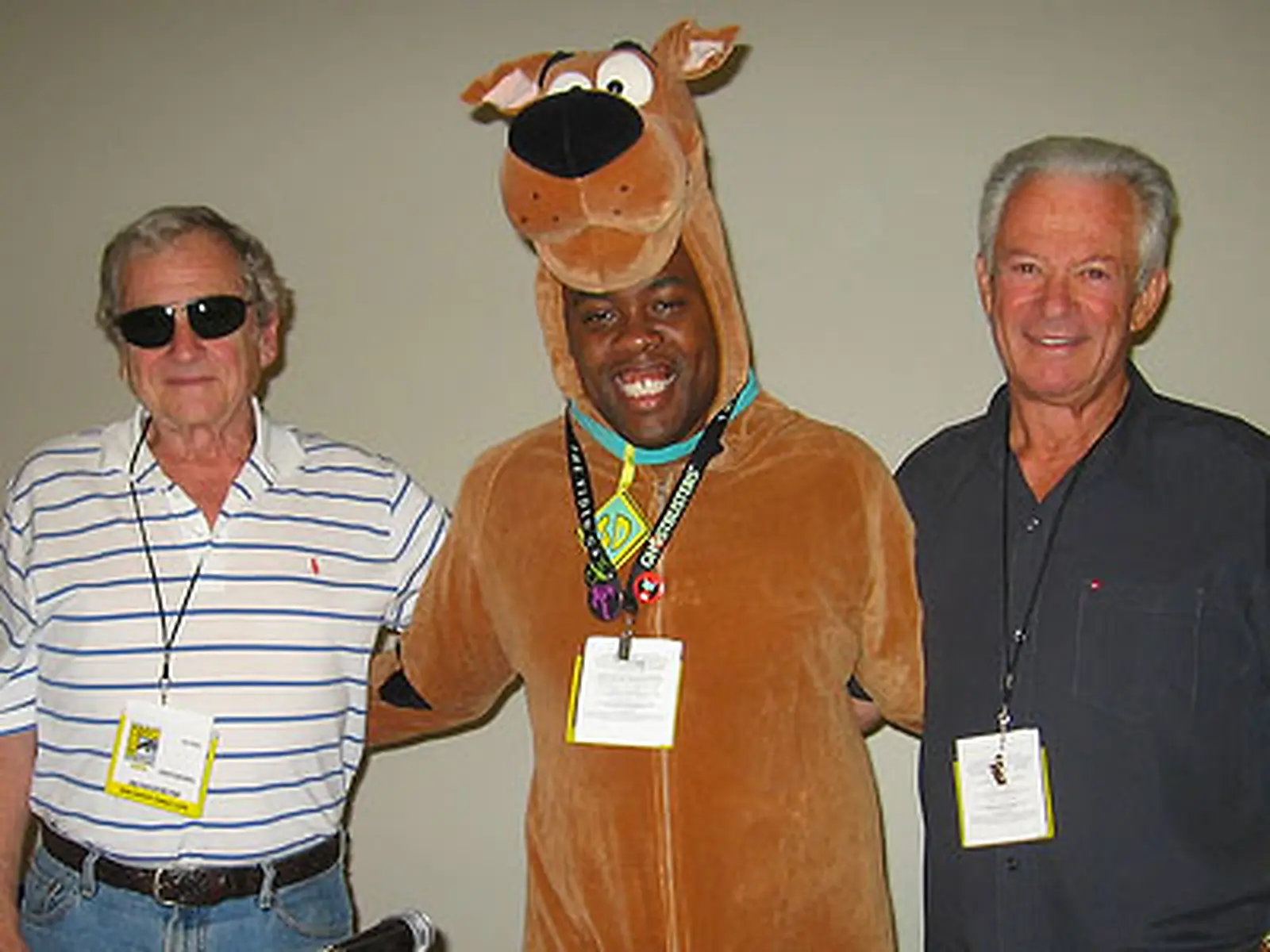
Joe Ruby and Ken Spears left Hanna-Barbera in 1977 and established Ruby-Spears Productions.
Their first animated series under the new company was Fangface in 1978.
The setup was familiar: four teenagers travelled together and became involved in mysteries. Their comic mascot was Sherman Fangsworth, a Shaggy-like teenager who transformed into a werewolf whenever he saw the moon, including a picture of it.
Calling Fangface a simple copy misses part of the joke. Ruby and Spears were revisiting a structure they had helped invent.
Their new studio later developed very different properties, including Turbo Teen, Thundarr the Barbarian, and the 1980s Superman series. The company began, however, with one more variation on the mystery gang.
Why The New Shmoo Is a Special Case
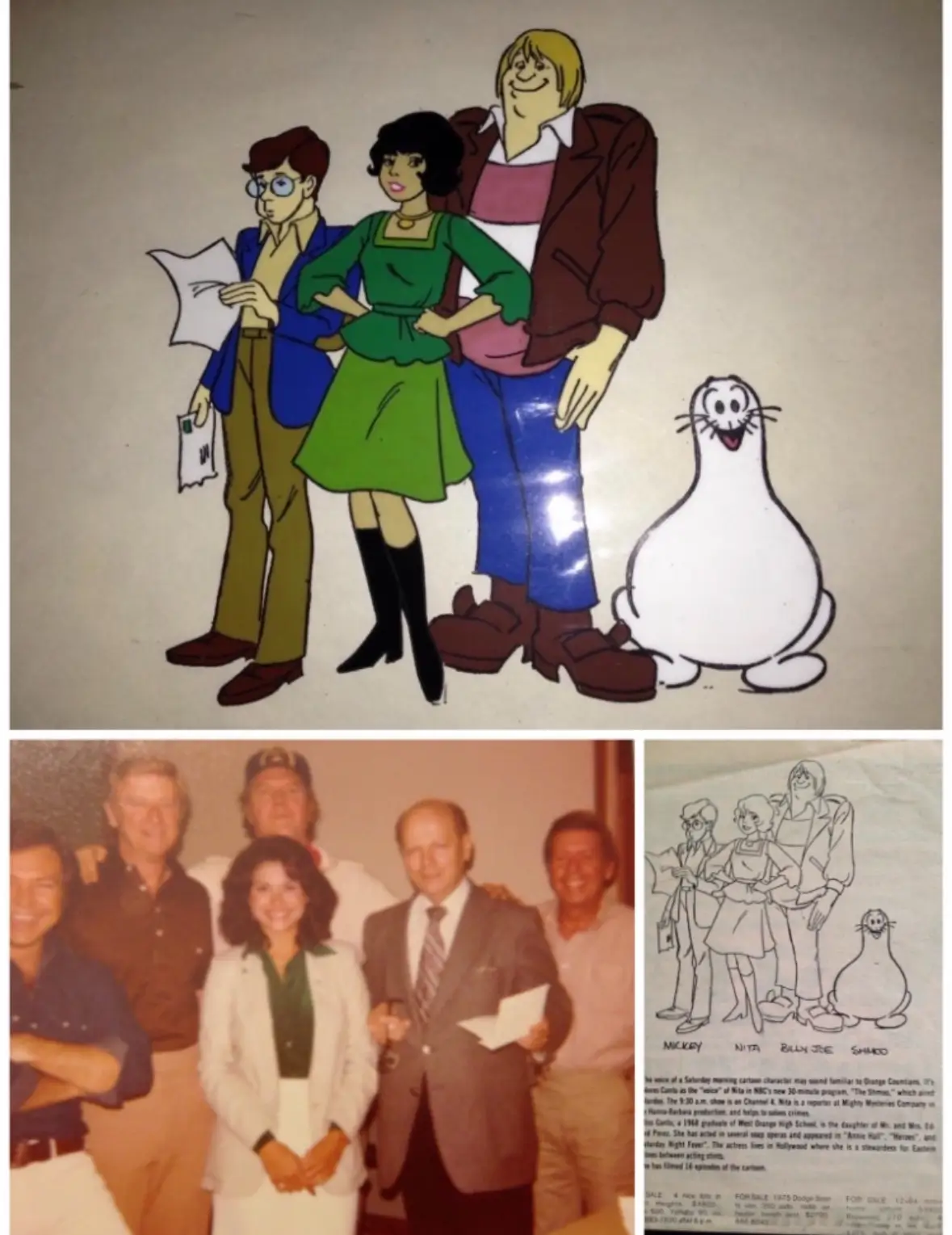
The New Shmoo looks like Hanna-Barbera invented another strange mascot for a Scooby-style team.
The mascot was actually much older than Scooby.
Cartoonist Al Capp created the Shmoo for Li’l Abner in 1948. The creature became a national merchandising phenomenon decades before Hanna-Barbera paired a Shmoo with teenagers in 1979.
The show is therefore both a Scooby relative and a revival of an older comic-strip property.
It demonstrates how flexible the formula had become. Hanna-Barbera could insert a pre-existing character into the mystery-team structure and immediately produce something that looked like another Scooby clone.
Why Scooby-Doo Outlived the Copies
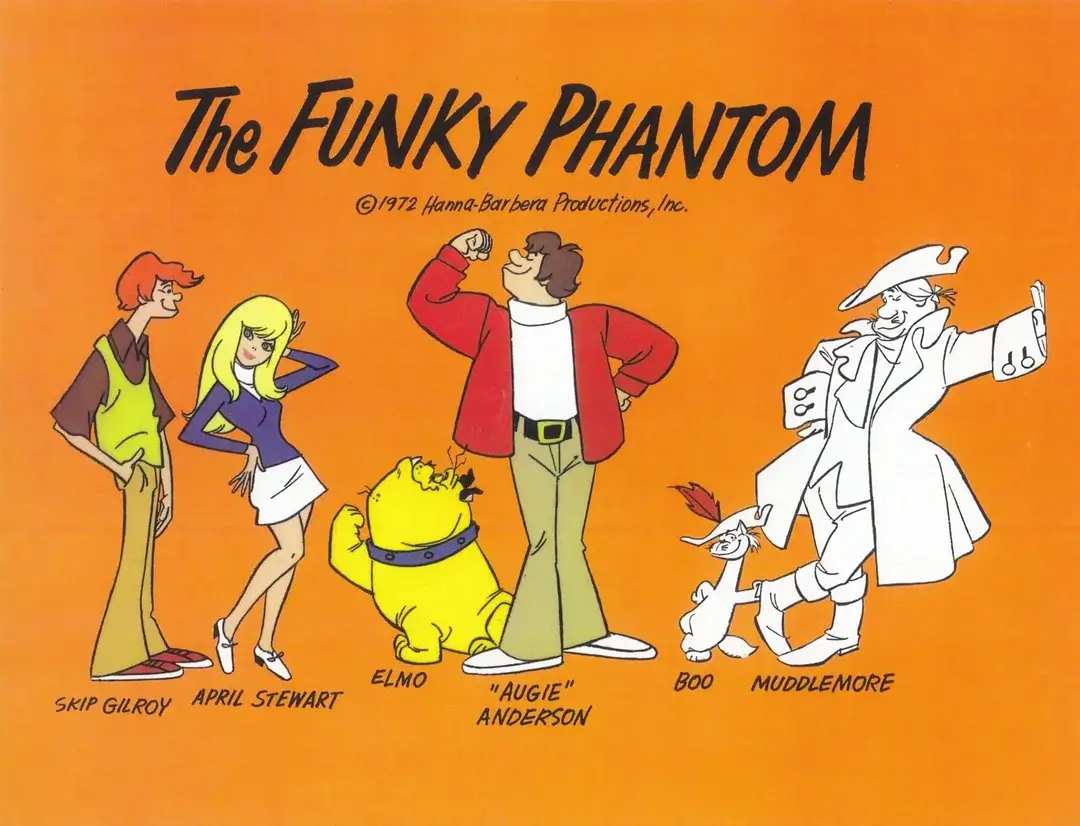
Most of the direct copies lasted one or two seasons. The Funky Phantom produced 17 episodes. Other shows disappeared after similarly short runs.
Scooby-Doo kept returning in new formats, movies, revivals, and reboots.
The difference was not only that Scooby arrived first.
The Gang Had Better Chemistry
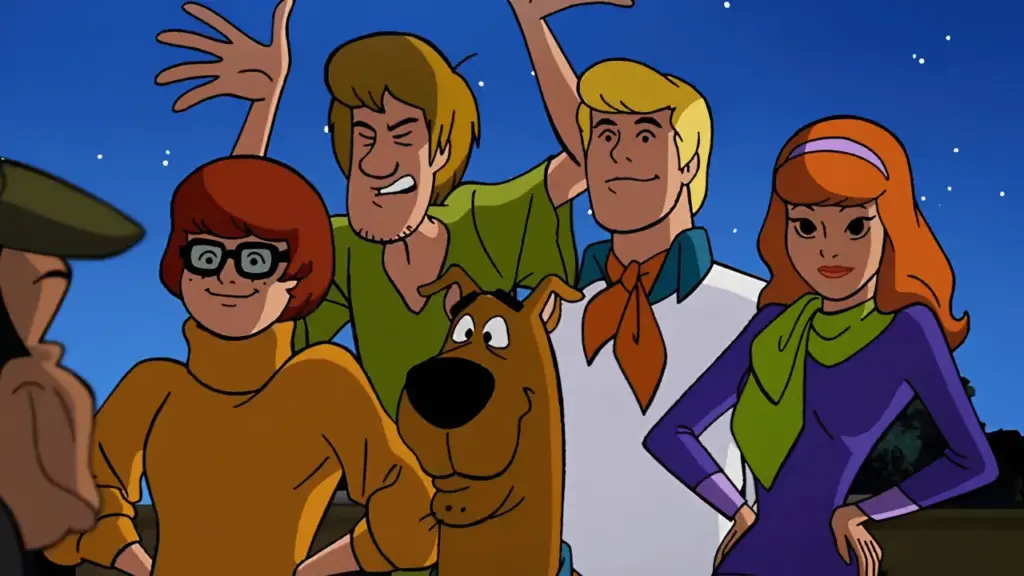
Fred, Daphne, Velma, Shaggy, and Scooby formed a simple but flexible ensemble. Different episodes could emphasize the mystery, comedy, friendship, monsters, or chase scenes without rebuilding the cast.
Many clones reproduced the roles but not the chemistry.
Scooby and Shaggy Worked as a Pair
The comic engine was not merely a funny mascot.
Scooby had Shaggy, a human partner who shared his fear, appetite, and questionable judgment. Their friendship gave the comedy an emotional centre that was difficult to duplicate by attaching one strange creature to a group of otherwise interchangeable teenagers.
The Premise Could Keep Changing
Scooby-Doo could function as a mystery comedy, celebrity crossover, supernatural adventure, movie parody, or self-aware reboot.
The franchise survived by altering the formula whenever it became tired, even when those changes divided fans.
Why the original lasted
- A stronger central friendship between Scooby and Shaggy
- Five clearly differentiated lead characters
- A memorable vehicle, theme song, and visual identity
- A premise flexible enough for comedy, horror, and reinvention
- The advantage of defining the formula before viewers became tired of it
Quick Answers About Scooby-Doo Clones
What are the Scooby-Doo clones?
They are 1970s mystery cartoons that reused several elements from Scooby-Doo, usually a young team, comic mascot, travelling vehicle, weekly threat, and final explanation.
What was the first Scooby-Doo clone?
Josie and the Pussycats was the first close television relative in 1970. The Funky Phantom in 1971 is usually the clearest early example of a direct mascot-swap clone.
Which cartoons are most like Scooby-Doo?
The Funky Phantom, Speed Buggy, Goober and the Ghost Chasers, Clue Club, and Captain Caveman and the Teen Angels follow the formula most closely.
Did Scooby-Doo’s creators make a clone?
Yes. Ruby-Spears Productions launched with Fangface, another four-teen mystery series built around an unusual comic mascot.
Did the clone characters ever meet Scooby?
Several shared the wider Hanna-Barbera universe. Captain Caveman competed on Scooby’s team in Laff-a-Lympics, while later Scooby productions referenced or featured characters such as Speed Buggy, Jabberjaw, and the Funky Phantom.
The Formula That Outlived Its Copies
The Scooby clone period can look cynical from a distance.
A successful show appeared, and the studio spent much of the next decade trying new mascots inside familiar machinery.
Up close, the shows are more interesting than that description suggests. Some were obvious copies. Some restored ideas cut from Scooby’s original pitch. Others pushed the structure into science fiction, superhero comedy, underwater adventure, or older comic-strip properties.
Most of the shows disappeared.
The formula did not.
Groups of young characters still travel into new settings, investigate suspicious monsters, trade jokes with an unusual sidekick, and reveal the explanation at the end.
Scooby-Doo was not the only show that could use the structure.
It was simply the one that made viewers care enough to keep coming back.
Which Scooby-Doo clone deserves its own deep dive next: Jabberjaw, Speed Buggy, or The Funky Phantom?
Share your pick in the comments.