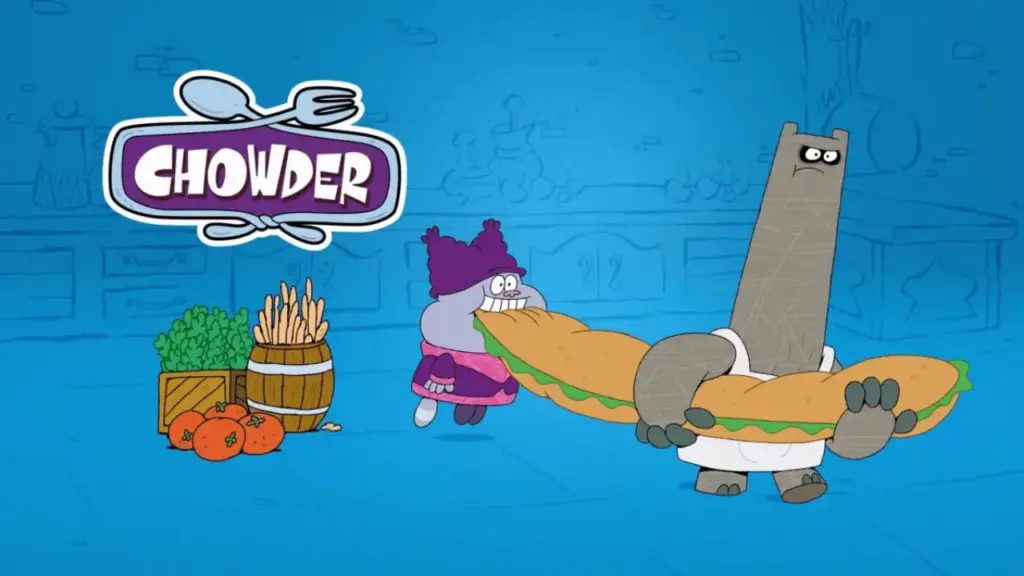
Chowder disappeared from Cartoon Network while it was still earning Emmy recognition and finding its creative rhythm. Fans have been asking why ever since.
The answer is not hidden in a ratings report or a behind-the-scenes feud. Creator C.H. Greenblatt discussed the cancellation himself, first while the final episodes were being completed and later when fans asked why the series ended.
The short version: Cartoon Network was changing direction, and Chowder no longer fit the audience the network wanted to pursue.
The show did not collapse creatively. It was caught in a programming strategy that did not last nearly as long as the cartoon it replaced.
Why Chowder Was Cancelled: The Short Answer
By the spring of 2009, C.H. Greenblatt knew Cartoon Network might not order more episodes. In August, he confirmed that the series was ending while the crew finished the remaining production work.
Greenblatt later explained that Chowder no longer fit the network’s push toward an older-boy demographic, a strategy closely associated with the live-action CN Real era and shows such as Destroy Build Destroy.
A colourful, gentle comedy about a child learning to cook was no longer considered the right match.
That decision was not a judgment on the talent behind the series. Chowder received three Primetime Emmy nominations, and background painter Joe Binggeli won a juried Emmy in 2009 for his work on the episode “Shnitzel & The Lead Farfel.”
The answer
A change in network strategy
- The final episode was already being produced by May 2009
- Greenblatt confirmed the cancellation that August
- He later said the show did not fit Cartoon Network’s older-boy strategy
- The remaining episodes continued airing until August 2010
Those points come from Greenblatt’s own comments and reporting published at the time, rather than a fan theory assembled years later.
The story becomes even more interesting when placed beside Cartoon Network’s short-lived live-action experiment and a reboot pitch the network requested more than a decade later.
What Chowder Was
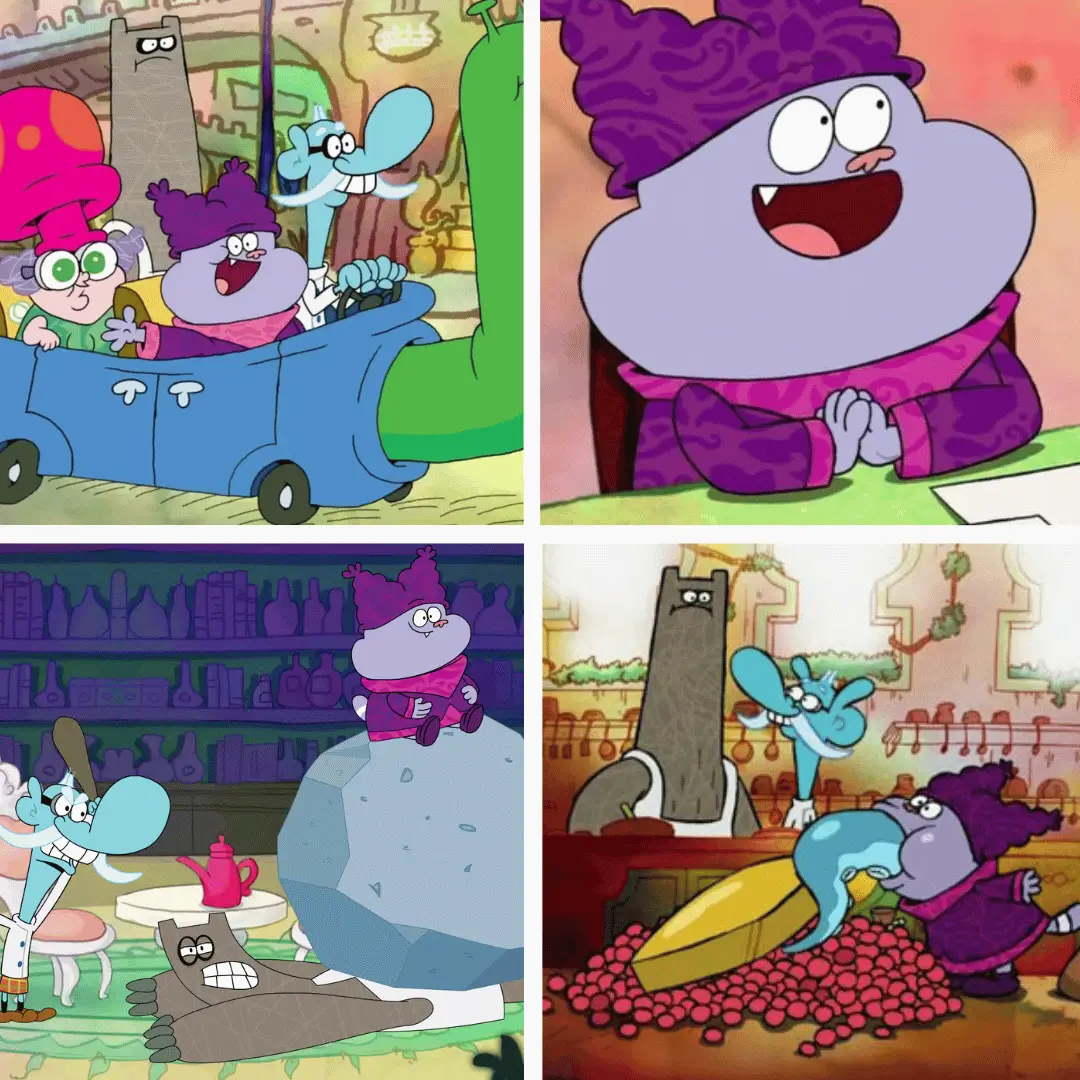
Chowder premiered on Cartoon Network on November 2, 2007. It was created by C.H. Greenblatt, whose earlier credits included SpongeBob SquarePants and The Grim Adventures of Billy & Mandy.
The series followed Chowder, a constantly hungry apprentice learning to cook at Mung Daal’s catering company in Marzipan City. His lessons rarely went according to plan, usually because Chowder ate an ingredient, misunderstood an instruction, or became distracted by something even stranger.
Nicky Jones voiced Chowder as an actual child. The cast also included Dwight Schultz as Mung Daal, Tara Strong as Truffles, John DiMaggio as Shnitzel, and Dana Snyder as Gazpacho.
The show combined hand-drawn animation, fixed clothing patterns, stop-motion inserts, puppets, live-action jokes, and frequent breaks in the fourth wall. It looked different from almost everything else in the late-2000s cartoon boom.
Across three seasons, Cartoon Network aired 49 half-hour episodes made up of 93 individual story segments.
The Creator Confirmed the Ending Himself
The cancellation did not first emerge through an anonymous leak.
In May 2009, Greenblatt wrote that the crew was producing what might be the final episode. He explained that Cartoon Network technically did not cancel shows so much as decline to renew them, and he held out some hope that strong summer ratings might change the decision.
By August, that hope was gone. Greenblatt confirmed that the series was ending while the crew completed its remaining episodes. The Daily Cartoonist reported his announcement and quoted him saying that the team had found “a really good groove” in the third season.
That matters because it rules out the idea that the writers had run out of interest or that the production had fallen apart.
In an exit interview published later that month, Greenblatt spoke warmly about the final batch and described Chowder as a love letter to the cartoons he grew up watching.
The Network That Wanted Older Males
The surrounding schedule helps explain why the series no longer fit.
In 2009, Cartoon Network launched CN Real, a block of live-action reality and competition programming that included Destroy Build Destroy, The Othersiders, and BrainRush. The network was trying to compete more directly for viewers who were also watching live-action children’s channels.
Greenblatt later summarized the problem by saying that Chowder did not fit the network’s new, older-male demographic.
That does not prove ratings played no role at all. Networks rarely make renewal decisions for a single reason, and Cartoon Network did not publish a detailed cancellation report.
What the available record does show is that Greenblatt understood the decision as a demographic and programming shift. The arrival of CN Real gives that explanation clear historical context.
The strategy itself was brief. Most CN Real shows disappeared quickly, while Chowder continued finding new viewers through reruns and streaming.
A Finale Made to Feel Like an Ending
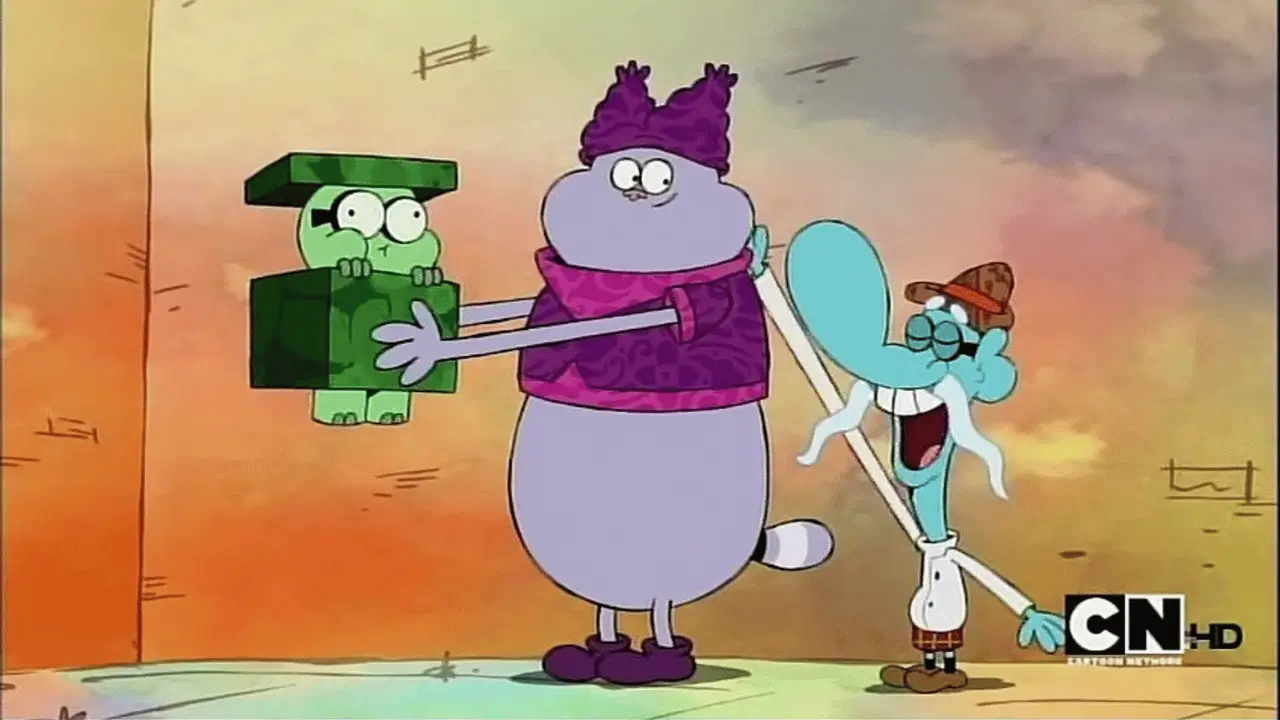
The timeline can be confusing because the cancellation was confirmed in August 2009, while “Chowder Grows Up” did not air until August 7, 2010.
The episode was not an accidental finale that happened to fit the moment. Greenblatt already knew the series was likely ending when it was developed, so he deliberately used the story to show Chowder finally achieving his goal.
The finale jumps twenty years into the future. Chowder has resisted growing up, leaving everyone around him unable to move forward. He eventually accepts responsibility, becomes a master chef, trains an apprentice, and builds a life with Panini.
Greenblatt had once imagined using the time jump as the beginning of a new phase, similar to the way Dragon Ball allowed its characters to age. Once the end became unavoidable, it gave him a way to close the story properly.
Many cancelled cartoons simply stop. Chowder was fortunate enough to say goodbye.
What Greenblatt Did Next
After the remaining production work ended, Greenblatt moved on from Cartoon Network.
He later created Harvey Beaks for Nickelodeon and returned to Warner Bros. Animation with Jellystone!, his comedy built around Hanna-Barbera characters.
He also found a way to bring the younger version of Chowder back for a brief appearance in a Jellystone! crossover.
Greenblatt has said he prefers Chowder as a child because the character’s innocence is central to the idea. That helps explain why his eventual reboot concept did not simply continue from the adult future shown in the finale.
The 2026 Twist: The Reboot That Never Happened
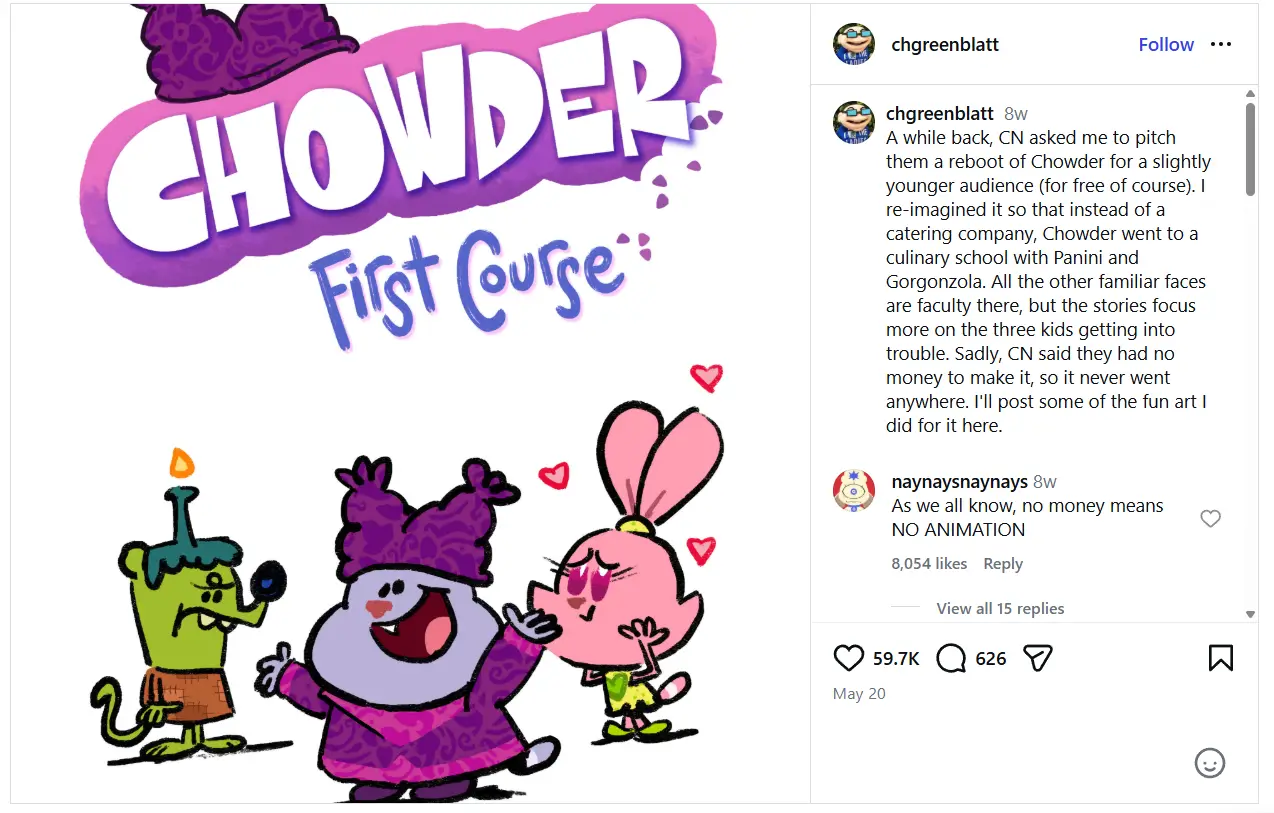
In May 2026, the story gained an unexpected new chapter.
Greenblatt revealed that Cartoon Network had asked him to pitch a younger-skewing Chowder reboot around 2024. According to his account, the pitch work was unpaid.
His idea was called Chowder: First Course. Instead of working at Mung Daal’s catering company, Chowder, Panini, and Gorgonzola would attend culinary school. The adults from the original series would return as members of the faculty.
Cartoon Network did not move forward. Greenblatt wrote that the network told him it did not have the money to make the series.
He later began sharing the unused development artwork online, giving fans a glimpse of a revival that never made it beyond the pitch stage.
The irony is difficult to miss. Cartoon Network ended the original because it no longer fit the strategy of the moment, then years later asked its creator to imagine a new version and still chose not to produce it.
Quick Answers About the Cancellation
Why was Chowder cancelled? C.H. Greenblatt later said the show no longer fit Cartoon Network’s new demographic focus on older boys. The decision came during the CN Real era, when the network was investing in live-action programming such as Destroy Build Destroy.
When did Chowder end? The finale, “Chowder Grows Up,” aired on August 7, 2010. The series ended after three seasons, 49 half-hour episodes, and 93 story segments.
Was Chowder cancelled because of low ratings? There is no detailed public ratings report proving that was the reason. Greenblatt’s own explanation focused on the network’s demographic strategy. The series was also still receiving Emmy recognition near the end of its run.
Did Chowder win an Emmy? Yes. Background painter Joe Binggeli received a juried Primetime Emmy in 2009 for his work on “Shnitzel & The Lead Farfel.” The series also received program nominations in 2008 and 2010.
Is Chowder coming back? No revival has been announced as of July 2026. Greenblatt developed Chowder: First Course around 2024 after Cartoon Network requested a pitch, but the project was not produced.
The Show That Outlived the Strategy
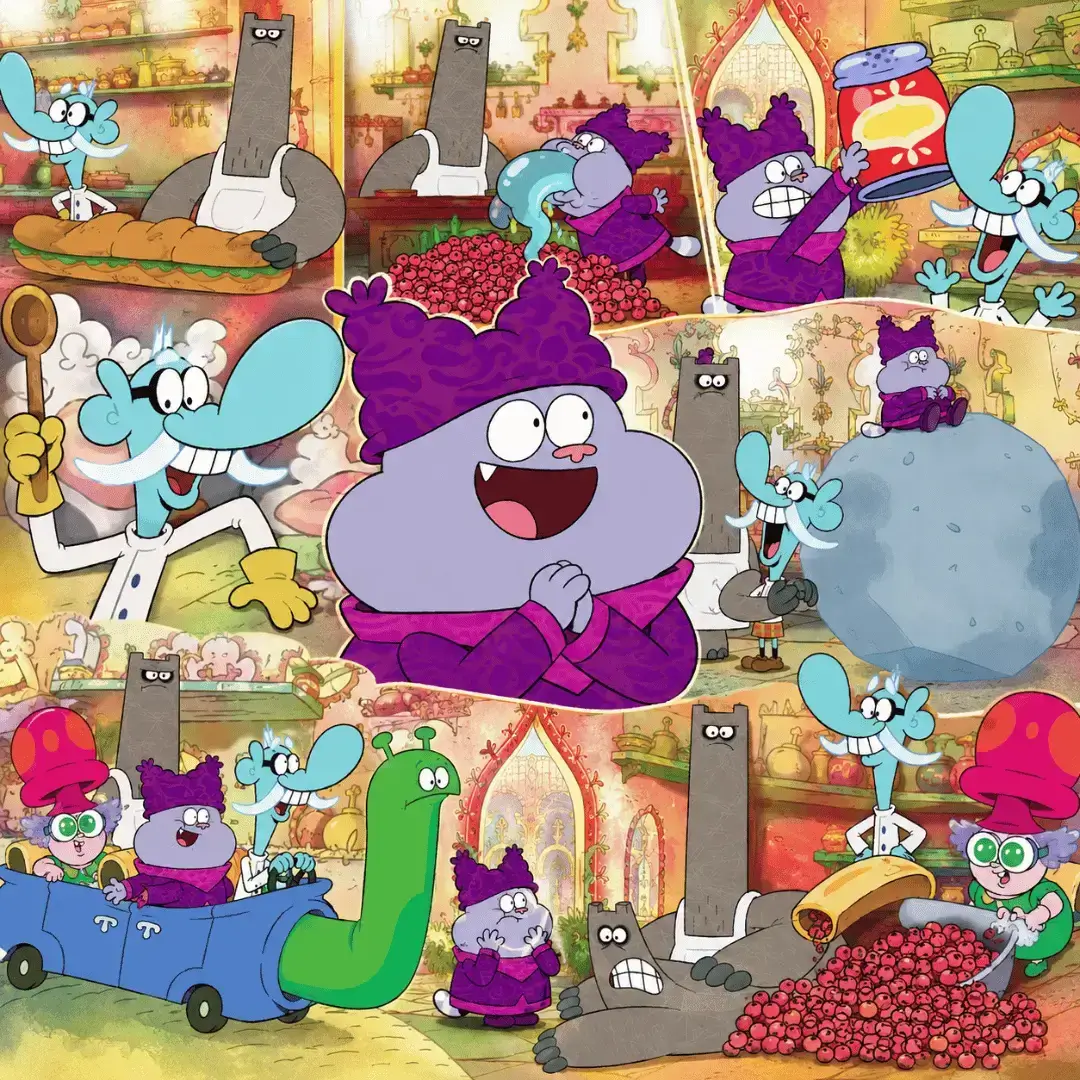
Time has been kinder to Chowder than it was to the strategy that ended it.
CN Real is now remembered mostly as an awkward experiment. Chowder, meanwhile, still has a devoted audience, an Emmy-winning visual legacy, and a creator who continues drawing the characters years later.
The cancellation says less about the quality of the series than it does about Cartoon Network in 2009. Executives were chasing a different audience, and Chowder happened to be standing in the path of that change.
The show ended, but it did not disappear.
Which cancelled cartoon should this series investigate next?
Share your pick in the comments.
The strongest cases may shape the next deep dive.