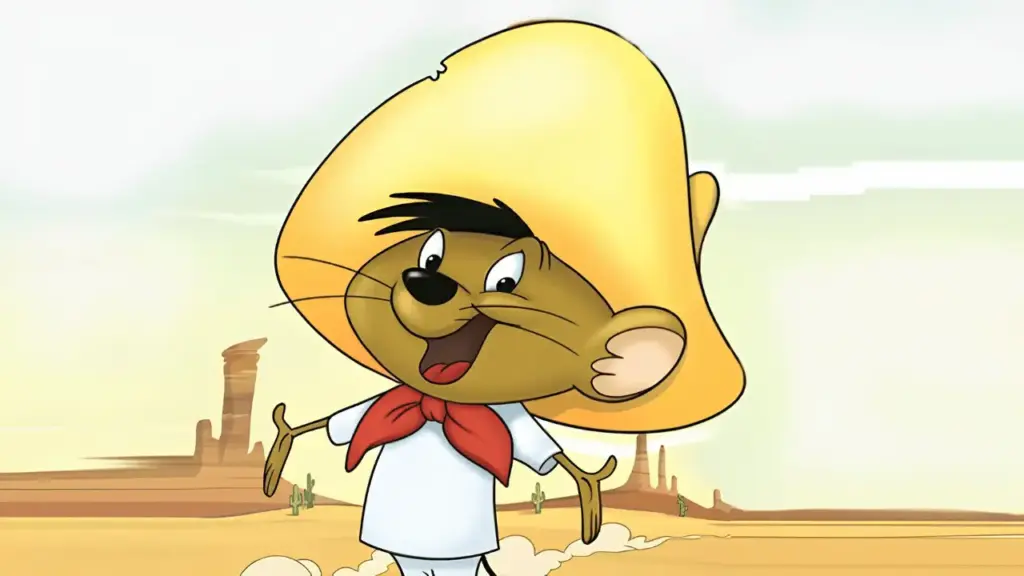
Cartoon Network never held a press conference announcing a Speedy Gonzales ban. There was no formal cancellation notice, no press release, and no single date when the network declared the fastest mouse in all Mexico off-limits.
Instead, Speedy quietly disappeared from the US schedule after Cartoon Network became the main television home of Warner Bros.’ classic cartoon library in late 1999.
Viewers noticed. Nearly three years later, reporters finally got an explanation, and the story turned out to be more complicated than the version usually repeated online.
So why was Speedy Gonzales banned?
Cartoon Network kept his shorts out of regular rotation partly because executives considered their Mexican caricatures outdated and potentially offensive.
The decision then backfired when Mexican-American viewers and the country’s oldest Latino civil rights organization demanded that the network bring him back.
- What happened: Cartoon Network largely stopped showing Speedy Gonzales shorts in the United States after gaining exclusive access to the classic Warner Bros. library in late 1999.
- Why: A network spokeswoman said the shorts had remained off the air because of ethnic stereotypes, although the network later denied imposing a formal ban and also cited ratings.
- The backlash: Mexican-American fans and LULAC argued that Speedy was a clever Mexican hero, not simply an insult.
- The return: Cartoon Network put several Speedy shorts back into rotation in June 2002.
- Where he stands now: Warner Bros. is developing a new animated Speedy Gonzales movie with Mexican director Jorge R. Gutiérrez.
Was Speedy Gonzales Actually Banned?
The word banned needs a little qualification.
Cartoon Network did not announce that Speedy Gonzales was permanently prohibited. It simply stopped scheduling most of his cartoons in the United States. That distinction later gave the network room to insist that Speedy had never technically been censored.
Here is the timeline that matters:
- In late 1999, Cartoon Network became the exclusive US broadcaster of the classic Warner Bros. cartoon library.
- Speedy’s theatrical shorts came with the package, but the network largely left them out of rotation.
- Viewers spent more than two years asking why the character had disappeared.
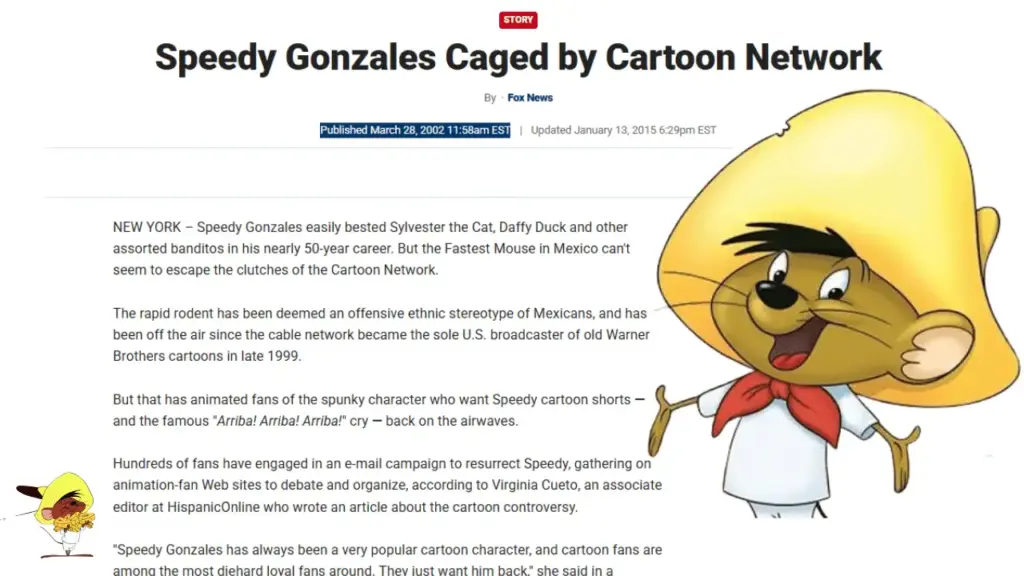
The explanation finally arrived on March 28, 2002, when Fox News published “Speedy Gonzales Caged by Cartoon Network.” The report said the character had been kept off the air because the cartoons were considered offensive ethnic stereotypes.
— Cartoon Network spokeswoman Laurie Goldberg, March 2002
That sounds like a ban, and in practical terms it worked like one. However, Cartoon Network soon softened its position. Other reports quoted the network saying Speedy had not been formally pulled and that ratings also influenced which shorts were selected from its enormous library.
The most accurate description is that Cartoon Network shelved Speedy Gonzales in the United States rather than issuing an official permanent ban.
Speedy Had Already Been Removed Once Before
The 1999 controversy was not the first time a US network had decided Speedy was too risky.
ABC removed the cartoons from its schedule during the early 1980s. A 1981 Los Angeles Times report said the concern was that Speedy presented a stereotypical image without enough other Latino characters on television to balance it.
That earlier dispute matters because it shows that the argument did not begin with Cartoon Network or modern social media.
- Broadcasters had been debating whether Speedy Gonzales was offensive for decades.
Why Did Cartoon Network Stop Showing Speedy Gonzales?
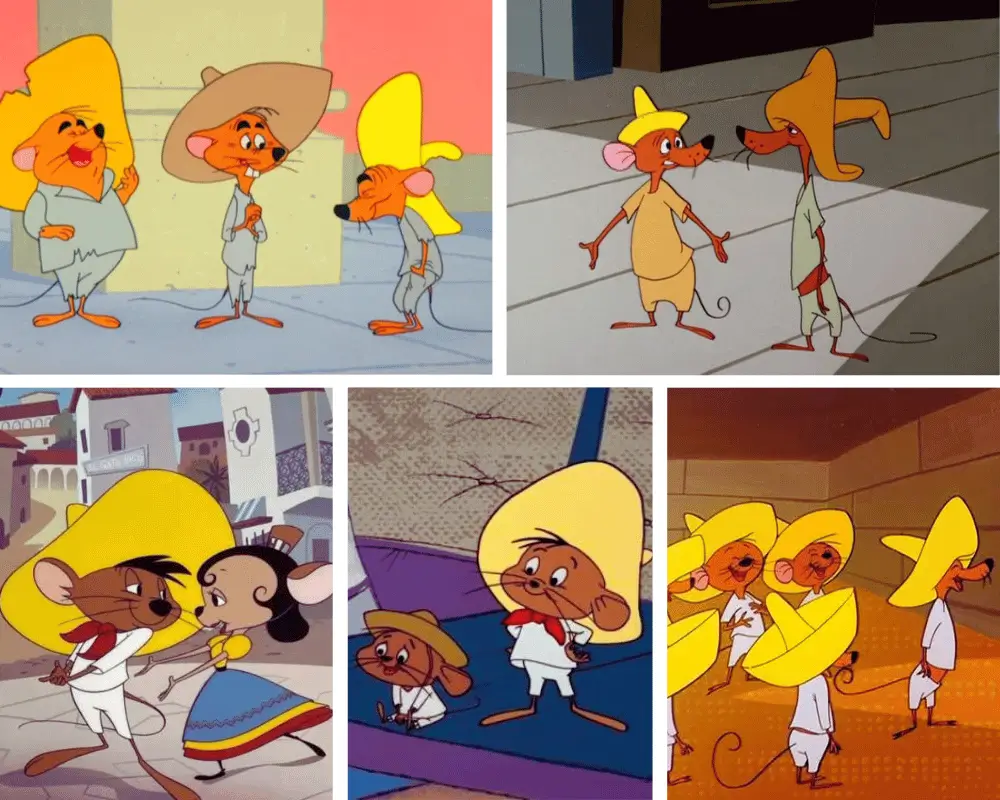
Cartoon Network never published a detailed list of objections, but the problem was not difficult to identify.
The cartoons used exaggerated accents, oversized sombreros and villages populated by mice who were often portrayed as slow, sleepy, poor or drunk. Those images were common cartoon shorthand during the 1950s, but by the end of the century they looked much harder to defend on a children’s network.
Speedy himself was energetic, intelligent and almost impossible to defeat. The supporting cast carried much of the uglier baggage.
There was also a wider industry context. Television networks had spent years reviewing older cartoons for racist caricatures, smoking, drinking and other material considered unsuitable for modern children’s programming.
Warner Bros. had already withdrawn the so-called Censored Eleven from normal circulation because of their extreme anti-Black imagery.
From a network standards perspective, shelving the entire Speedy catalog was easier than reviewing every short individually.
It was a cautious decision that looked reasonable in a meeting room. It was also about to produce exactly the controversy Cartoon Network had hoped to avoid.
Slowpoke Rodriguez Was the Bigger Problem
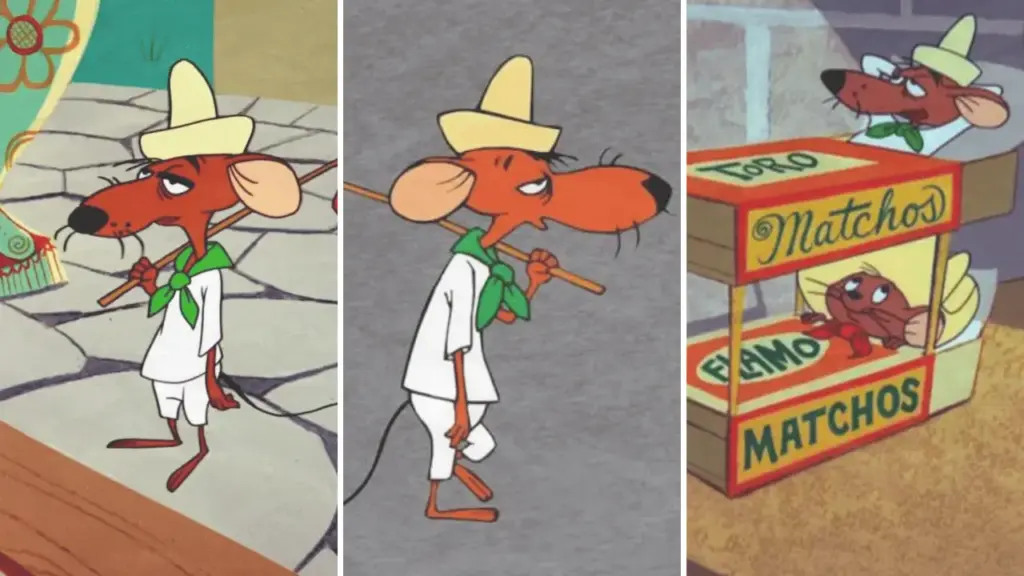
If one character explains why the network became nervous, it is Speedy’s cousin.
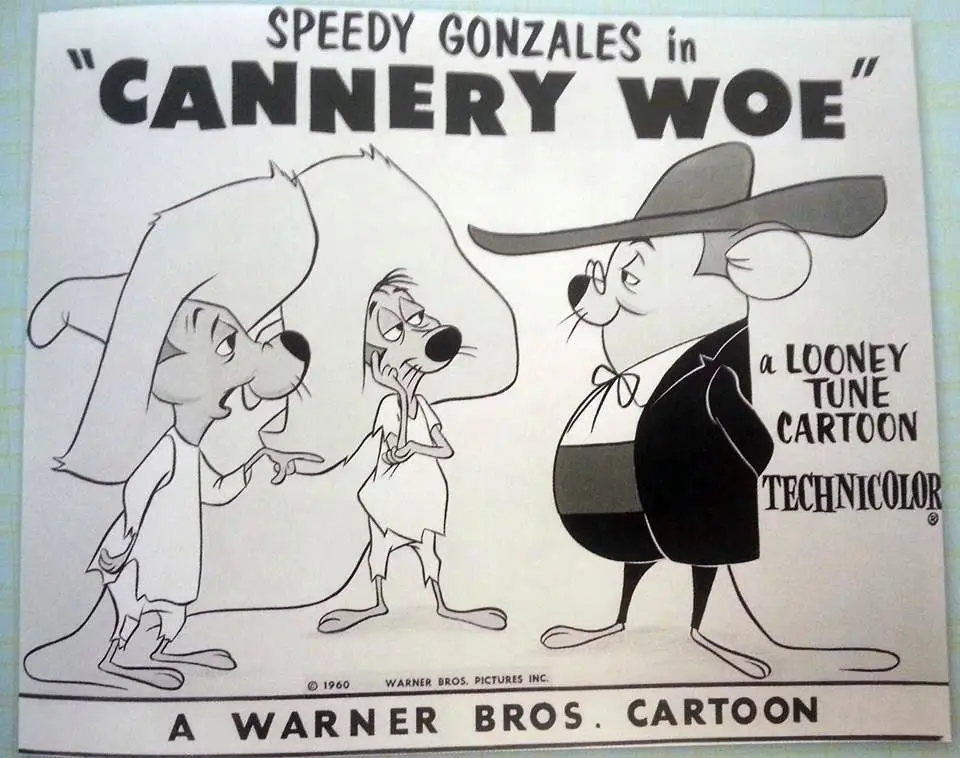
Slowpoke Rodriguez is introduced as the slowest mouse in all Mexico. He is drowsy, drawling and permanently close to falling asleep. He also carries a gun.
- In Mexicali Shmoes, one cat warns another that Slowpoke may be slow, but “he pack a gun.”
A sleepy Mexican character whose hidden advantage is a pistol was exactly the sort of gag a late-1990s children’s standards department would flag. Slowpoke can still be clever and surprisingly effective, but that does not erase the stereotype on which the joke is built.
I wrote a full profile of Slowpoke Rodriguez if you want the full story behind the sleepiest mouse in the Looney Tunes catalog.
Speedy Never Disappeared From Cartoon Network Latin America
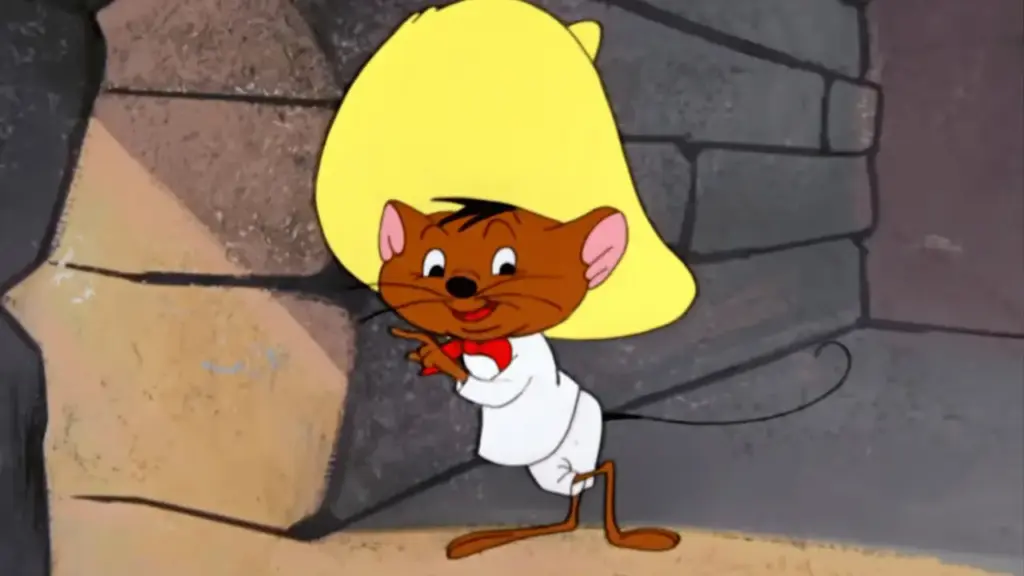
Here is the detail that made the US decision look especially awkward.
While Speedy was mostly absent from Cartoon Network’s American schedule, the company’s Latin American channel continued showing him. Laurie Goldberg acknowledged in 2002 that Speedy remained “hugely popular” with that audience.
- In other words, the same company reached two different conclusions in two different markets. The US network saw a potential ethnic controversy. Many viewers in Mexico and Latin America saw a familiar hero they had watched for years.
That does not prove that every Latino viewer approved of the cartoons. No audience is that unanimous. It does show that the people supposedly represented by Speedy did not respond to him in the way American executives expected.
The Part Cartoon Network Missed: Speedy Usually Wins
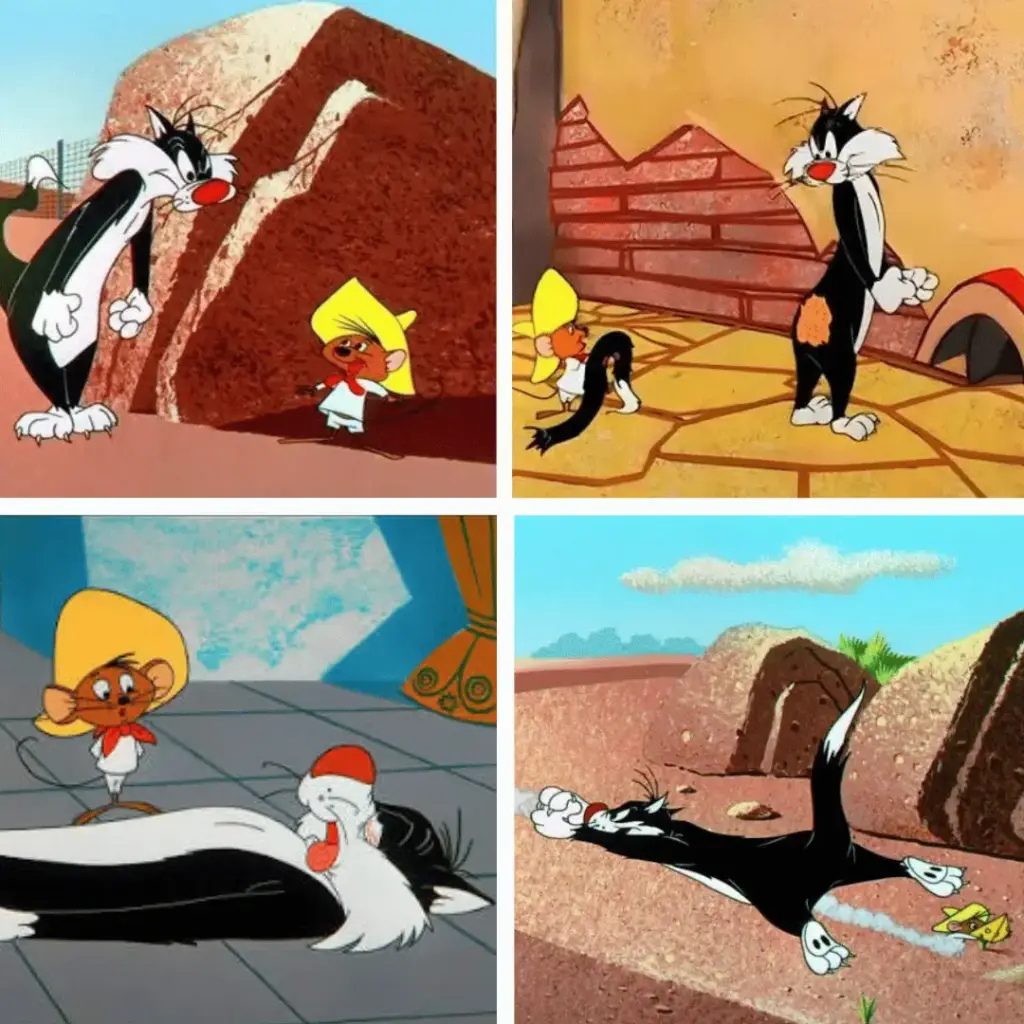
Watch the best-known Sylvester cartoons and one thing becomes obvious: Speedy is rarely treated as the fool.
He is fast, brave, loyal and clever enough to humiliate every cat standing between his community and its food. When the village mice need cheese, Speedy is the one they trust to get it.
Sylvester is not always framed as a neutral predator either. Speedy calls him “El Gringo Pussygato,” turning the cat into an overbearing outsider who enters the mice’s world and immediately gets outsmarted by the local hero.
That does not make the stereotypes disappear, but it explains why so many Mexican and Mexican-American viewers read the same cartoons differently from network executives.
| Element | What critics saw | What many fans saw |
|---|---|---|
| Speedy’s accent | An exaggerated caricature | The confident voice of the cartoon’s winner |
| The village mice | Lazy, poor and sometimes drunk | The weakest and most dated part of the shorts |
| Slowpoke Rodriguez | A collection of Mexican stereotypes | A slow cousin who still surprises his enemies |
| Sylvester | A standard cartoon villain | An intruding gringo bully who always gets embarrassed |
| Speedy himself | A character surrounded by ethnic caricatures | A fast, generous and unusually successful Mexican hero |
The critics were not imagining the problem. Some of the village mice are rough viewing today, and Speedy himself is still a Hollywood construction of Mexican identity.
But Cartoon Network treated the entire catalog as one problem. In doing so, it also removed one of the few Mexican characters in American animation who was consistently allowed to be the smartest person on screen.
Why Do Mexicans Love Speedy Gonzales?
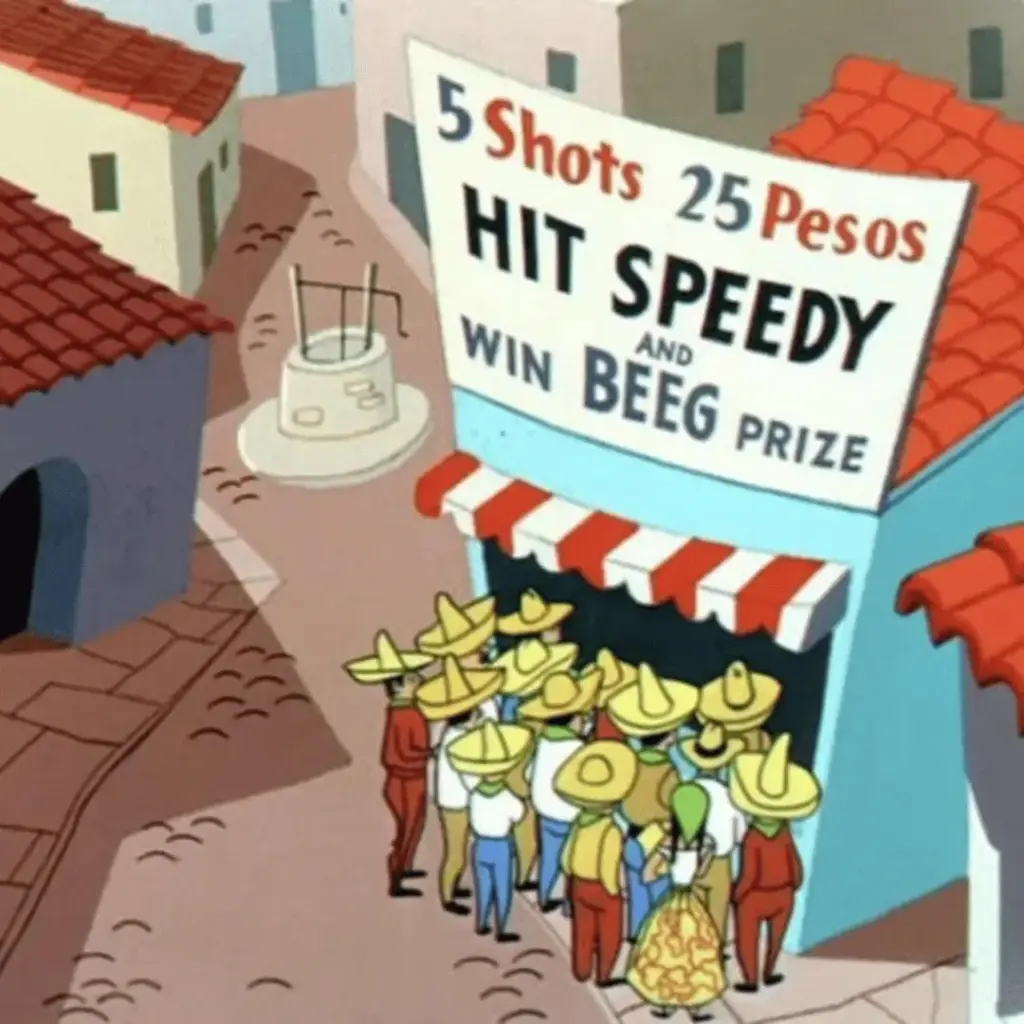
Speedy arrived during an era when Mexican characters in American entertainment were more likely to be bandits, servants, buffoons or nameless background figures.
Against that lineup, a Mexican mouse who was fast, funny, generous and almost impossible to beat could feel less like an insult and more like a rare victory.
Mexican-American columnist Gustavo Arellano described that connection in a 2021 Los Angeles Times column titled “Why do so many Mexican Americans defend Speedy Gonzales?”
- Arellano did not pretend the stereotypes were harmless. He openly called the character problematic while also explaining that, as a child, he saw a Mexican figure who never lost. He still keeps a large painting of Speedy in his home office.
That contradiction is the heart of the Speedy Gonzales controversy. A character can be built from stereotypes and still be reclaimed by the audience he was supposed to represent.
Historian Stephen Andes explores that tension in Chasing Speedy Gonzales: The Secret History of the World’s Fastest Cartoon Mouse, an upcoming academic history of the character and his relationship with Latino audiences.
It is similar to what I found while researching why Top Cat is so popular in Mexico. American cartoons can take on an entirely different identity after another culture dubs, adopts and makes them its own.
How LULAC Helped Bring Speedy Back
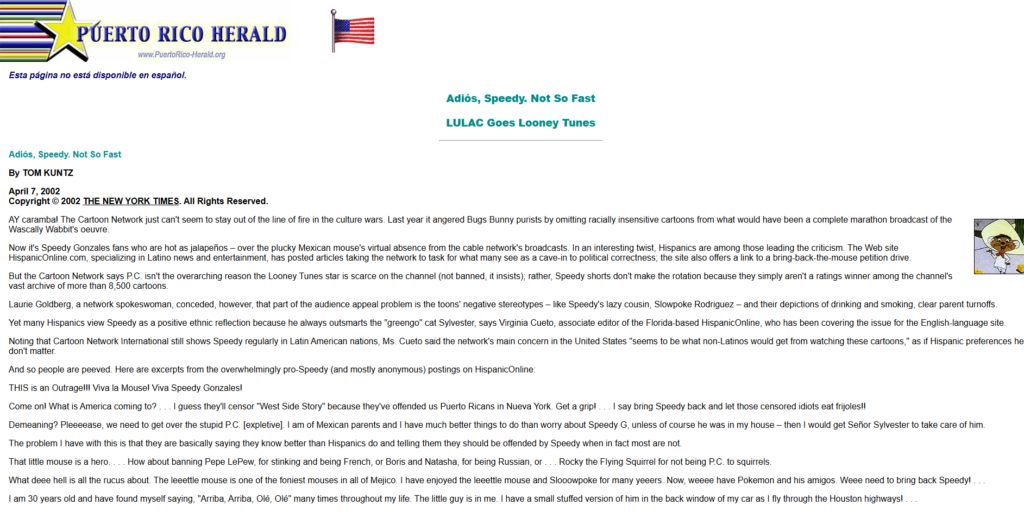
The March 2002 Fox News report brought the dispute into the open. Fans organized email campaigns, debated the cartoons on animation websites and used HispanicOnline to push for Speedy’s return.
Then the argument became much harder for Cartoon Network to dismiss.
On April 4, 2002, the League of United Latin American Citizens publicly joined the campaign. LULAC, founded in 1929, is the oldest major Hispanic civil rights organization in the United States.
— Gabriela Lemus, LULAC director of policy and legislation, April 2002
Lemus said she had never heard a Mexican-American complain about Speedy. She had grown up in Mexico watching the cartoons with her grandmother and saw the mouse as a cultural icon rather than a slur.
- Cartoon Network now faced an uncomfortable question: why was a character removed partly to avoid offending Latino viewers when a major Latino civil rights organization was asking for him back?
The network held out for several more weeks. It maintained that fan petitions did not necessarily translate into ratings and that Speedy’s cartoons had to compete with thousands of other shorts for airtime.
Then Cartoon Network reconsidered.
In June 2002, the channel announced that several Speedy Gonzales shorts would return to the schedule through late June and July.
— Cartoon Network spokeswoman Laurie Goldberg, June 2002
Whether you call it the end of a ban or simply a change in programming rotation, Speedy was back.
The Speedy Gonzales Controversy Timeline
| Year | What happened |
|---|---|
| 1953 | A rattier, gold-toothed early version of Speedy appears in Cat-Tails for Two. |
| 1955 | The redesigned character stars in Speedy Gonzales, which wins the Academy Award for best cartoon short. |
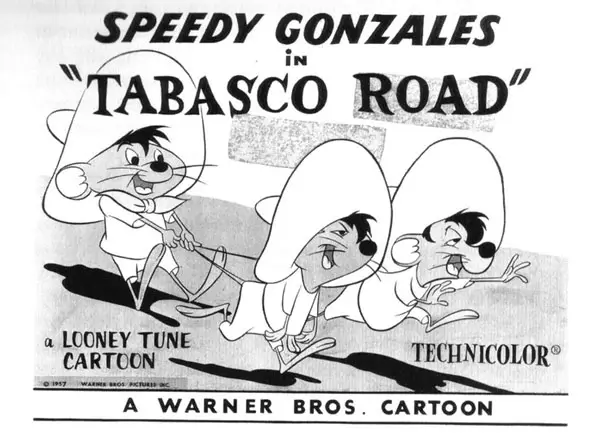
| 1957–1961 | Tabasco Road, Mexicali Shmoes and The Pied Piper of Guadalupe receive Oscar nominations. |
| 1968 | See Ya Later Gladiator becomes the last Speedy short released during the original theatrical era. |
| Early 1980s | ABC removes Speedy from its schedule over concerns about Mexican stereotypes. |
| Late 1999 | Cartoon Network becomes the exclusive US broadcaster of the classic Warner library and largely stops showing Speedy. |
| March 2002 | Fox News reports that the shorts have remained off the air because of ethnic stereotypes. |
| April 2002 | LULAC publicly calls Speedy a cultural icon and supports his return. |
| June 2002 | Cartoon Network puts several Speedy shorts back into rotation. |
| 2003 | Looney Tunes: Back in Action jokes about the political-correctness dispute. |
| 2021 | Gabriel Iglesias voices Speedy in Space Jam: A New Legacy and publicly defends the character. |
| 2025 | The classic Looney Tunes library leaves Max, while Warner Archive releases restored Speedy material on Blu-ray. |
| January 2026 | Warner Bros. sets Jorge R. Gutiérrez to direct a new animated Speedy Gonzales movie. |
Hollywood Kept Trying to Make a Speedy Gonzales Movie
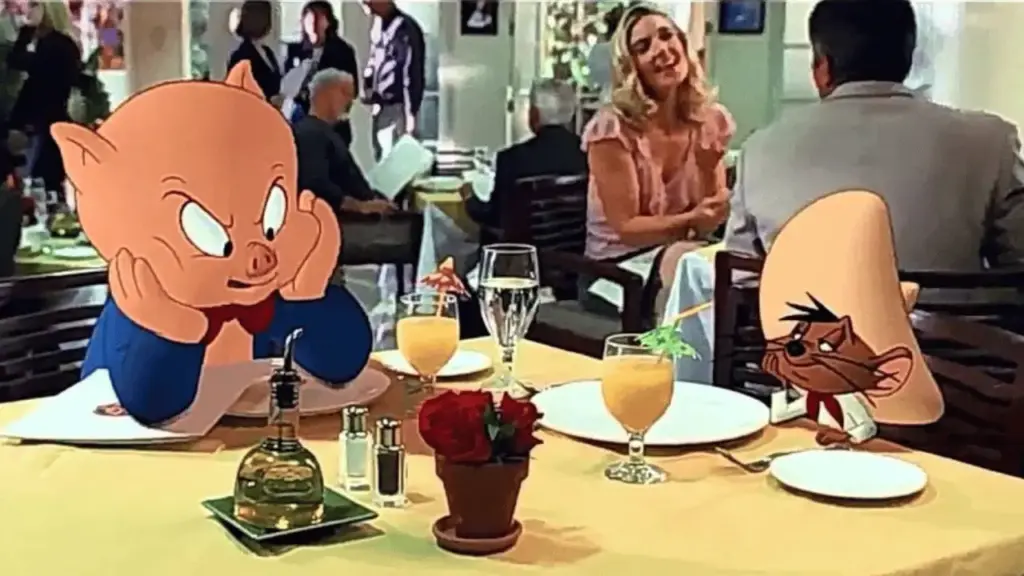
The strangest sign of Speedy’s rehabilitation came only a year after his television return.
In 2003’s Looney Tunes: Back in Action, Porky Pig and Speedy sit together in the Warner Bros. cafeteria. Porky complains that political correctness has made his job difficult. Speedy’s reply is only three words: “You’re telling me.”
The studio was already making jokes about the controversy, but developing an entire Speedy movie proved much more difficult.
- 2010: Warner Bros. and New Line begin developing a live-action and animation hybrid, with George Lopez attached to voice Speedy.
- 2016: Warner shifts to a fully animated movie, with Eugenio Derbez expected to voice the character.
- 2024: Derbez tells UPI that “the studios are afraid” of the controversy surrounding Speedy, despite his popularity in Mexico.
The pattern was obvious. Warner Bros. recognized the character’s popularity but remained nervous about building an expensive movie around the same cultural debate that had followed him for decades.
Gabriel Iglesias Defended Speedy in 2021

The debate returned in March 2021 after a New York Times opinion column criticized several older cartoons and argued that Speedy’s friends helped popularize the image of Mexicans as drunk and lethargic.
Gabriel Iglesias had already recorded Speedy’s voice for Space Jam: A New Legacy, and he responded publicly:
— Gabriel Iglesias, March 2021
The post spread quickly, with many Latino fans supporting both Iglesias and the character. Warner Bros. kept Speedy in the movie, which reached theaters in July 2021.
For the first time in a theatrical feature, Speedy was voiced by a Mexican-American performer.
The contrast with another Looney Tunes character was difficult to miss. Warner removed Pepé Le Pew from the same film, a decision I covered in my article about Pepé Le Pew and how cartoons age.
Pepé did not have a comparable community publicly claiming him as a cultural hero. Speedy did.
A Mexican Director Finally Gets the Keys
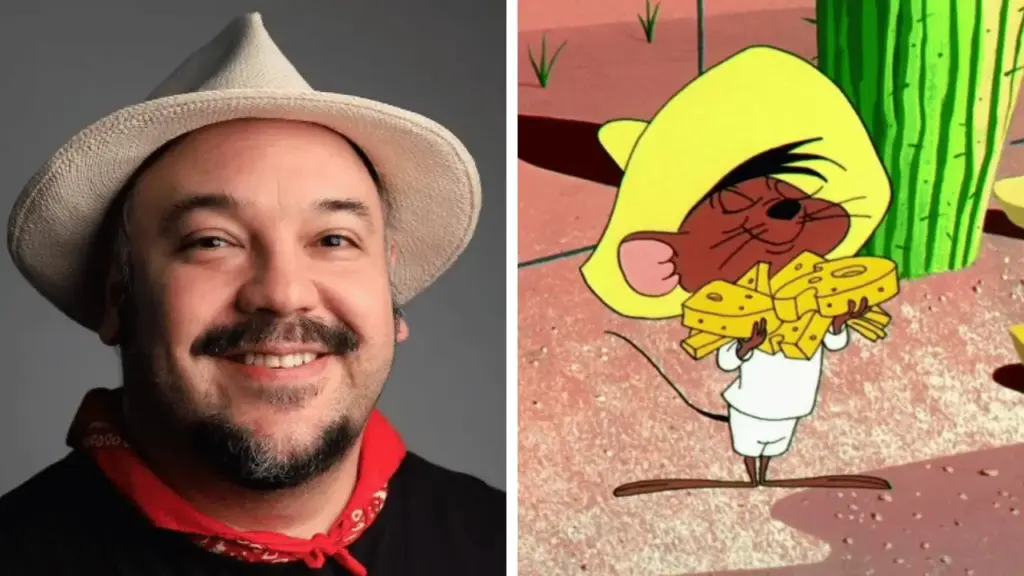
The ending nobody in 1999 could have predicted arrived in January 2026.
The Hollywood Reporter revealed that Warner Bros. Pictures Animation had set Jorge R. Gutiérrez to direct a new animated Speedy Gonzales feature.
Gutiérrez directed The Book of Life, created Maya and the Three and co-created El Tigre: The Adventures of Manny Rivera. Much of his work draws openly and proudly from Mexican art, mythology and family life.
He had teased the project weeks earlier by posting a photo of himself holding a Speedy figure while dressed in a straw hat and red bandana.
The choice of director feels like an answer to the problem that repeatedly stalled earlier versions. Instead of sanding away Speedy’s Mexican identity until nobody could object, Warner has handed the character to a filmmaker whose career has been built around presenting that culture from the inside.
The movie remains in development. A writer, plot, cast and release date have not been announced.
That is not the same as a finished movie being guaranteed, especially at Warner Bros. But it is the most serious movement Speedy’s solo film has seen in years.
Where Speedy Gonzales Stands Today
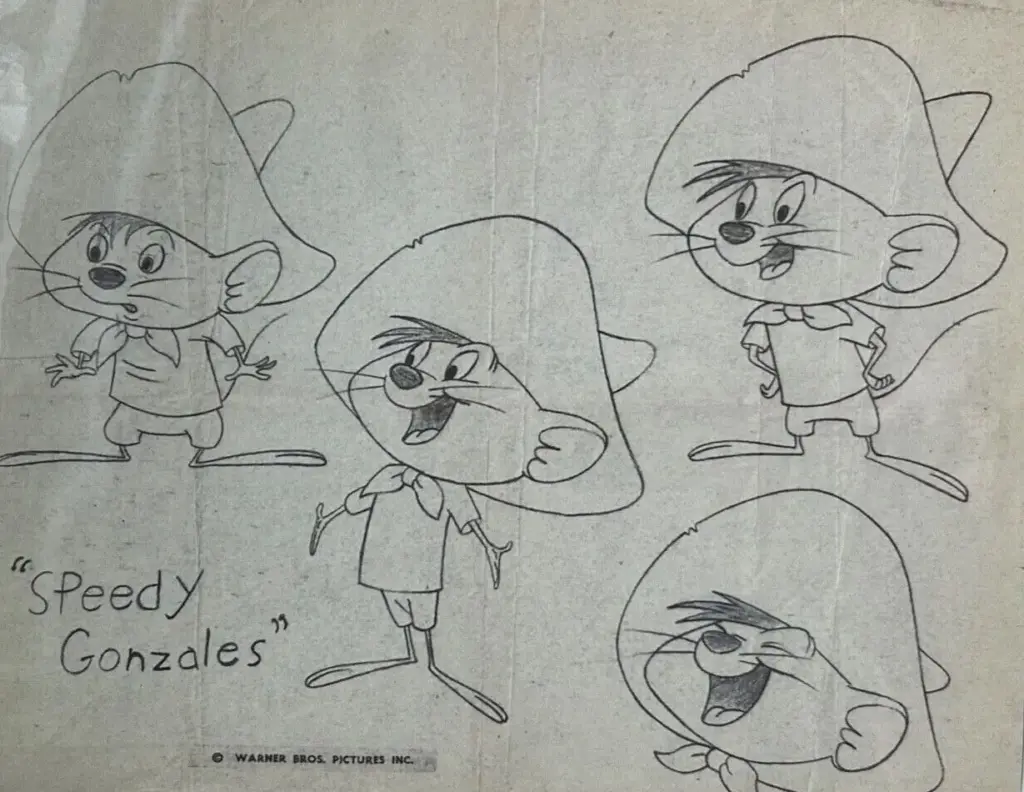
As of mid-2026, Speedy occupies a strange but surprisingly strong position.
The classic Looney Tunes shorts were removed from Max in March 2025, taking much of Speedy’s original catalog off the largest Warner-owned streaming service.
Physical media has filled part of that gap. Warner Archive’s Looney Tunes Collector’s Vault: Volume 1, released in June 2025, included both the early Cat-Tails for Two and the 1957 short Gonzales’ Tamales in high definition.
More importantly, Speedy has not been erased from the modern Looney Tunes lineup. He appeared in a major studio film in 2021 and now has another animated feature in development with a Mexican director.
That does not settle the argument over whether Speedy Gonzales is offensive. Some of the old cartoons contain stereotypes that deserve criticism, and Latino audiences have never been a single group with one opinion.
But the full history is more interesting than “racist cartoon gets banned.”
Speedy was created through Hollywood stereotypes, transformed into a hero by generations of viewers, removed by networks trying to avoid offense and then rescued by many of the same people those networks believed they were protecting.
Twenty-seven years after Cartoon Network put him on the shelf, Speedy is still running.
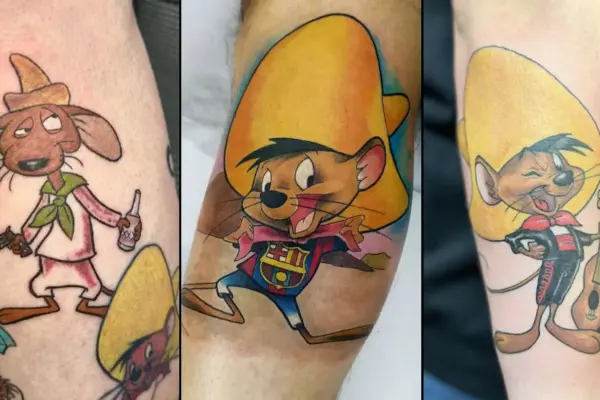
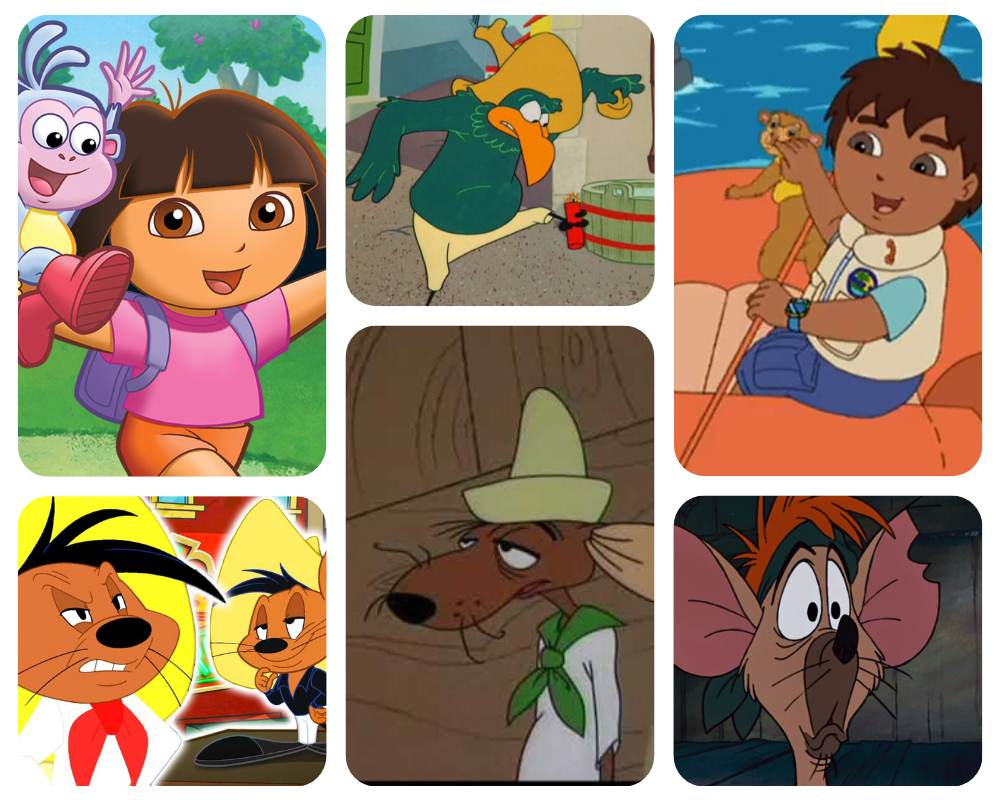
If you want more from this corner of cartoon history, start with my roundup of iconic Mexican cartoon characters, then check out my collection of Speedy Gonzales tattoos proof of how far the devotion still goes.